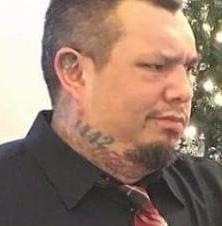
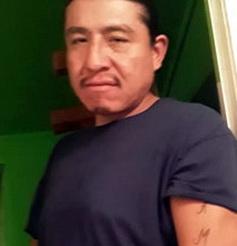
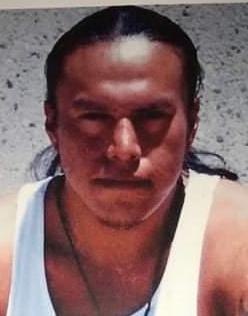
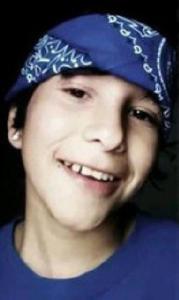
Sloane Bull Bear, 30, was a Native American man from Pine Ridge, South Dakota, whose final night began in the familiar way so many gatherings do—people drifting into a house, passing time, talking, and feeding the restless energy that comes with late hours and alcohol and drugs. On December 16, 2019, he was among several people at a home in Pine Ridge, where witnesses later described a tense undercurrent: at one point, a man later identified by prosecutors as Colton Bagola was seen holding a
gun behind his back. As the night wore on, Sloane and others decided to step out—plans as ordinary as buying cigarettes and going out to shoot guns—while the mood inside the house shifted in a way no one could take back.
Near the doorway, with one person stepping out ahead of him and Bagola positioned behind him, witnesses said Bagola moved in close—so close it was nearly contact—and fired a single shot into the back of Sloane's head. In the immediate chaos after the gunshot, people scattered. Some ran from the house. Others rifled through Sloane's pockets for his car keys and drove off in his vehicle. Hours later, at roughly 3:30 a.m., a 911 call finally came in. By the time law enforcement arrived, Sloane was found in the exterior doorway, having succumbed to the wound. Investigators from the FBI and the Oglala Sioux Tribe Department of Public Safety took over a case that had already turned from panic into flight.
The arrest came quickly. Federal authorities charged Colton Bagola on December 20, 2019, and he made his first federal court appearance days later. Accounts of his capture described him surrendering after a brief standoff in Rapid City, ending the immediate search but not the questions about who helped him get there and why no one reported what they knew sooner. In a separate federal case tied to the aftermath, prosecutors said Jamie Ann Richards drove Bagola from Pine Ridge to Rapid City and later acknowledged she knew Sloane had been shot and killed; she faced charges that included failing to report a felony, with reporting at the time indicating a plea agreement contemplated dropping other counts, including an accessory-after-the-fact charge.
As the case moved forward, the allegations hardened into a detailed narrative presented to a jury. Bagola was ultimately indicted for first-degree murder and for discharging a firearm during a crime of violence, among other counts, and the prosecution relied heavily on eyewitness testimony describing the moments just before and after the shot, as well as evidence tying Bagola to the firearm. A federal jury convicted him on October 28, 2022. On July 6, 2023, he was sentenced to life in federal prison for the murder conviction and a consecutive 10-year sentence for the firearm conviction. Bagola appealed, challenging parts of the trial and the sufficiency of evidence for premeditation, but the U.S. Court of Appeals for the Eighth Circuit affirmed his convictions in a decision filed July 19, 2024—closing one chapter of the legal fight while leaving the story's most haunting fact unchanged: a life ended in a narrow space by the door, and a community left to reckon with the silence and the sprint away that followed.