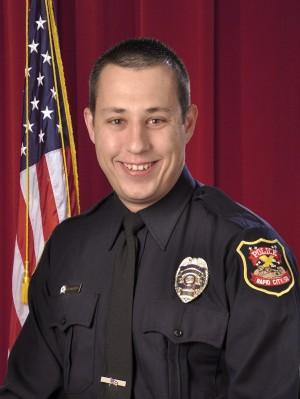
Vernall Marshall, a 31-year-old White man, was killed on December 24, 2020, in Rapid City, South Dakota. Late that Christmas Eve, a 911 call came in reporting gunshots, and officers arriving on scene found him down in the street with multiple gunshot wounds to his upper body. He was rushed to a hospital, but he did not survive.
As detectives worked backward through the last hours of his night, authorities came to believe the shooting was tied to a robbery and that more than one person
had played a role in the events surrounding the killing. In early January 2021, police announced they had arrested Elias Richard, then 21, and charged him with second-degree murder in connection with the shooting. Around the same time, reports indicated three additional people were facing accusations tied to the robbery element of the case.
Court records later described a confrontation that preceded the gunfire, one that prosecutors framed as escalating into lethal violence. The case also pulled in allegations about gang affiliation—specifically references to a group described as the Dark Side Family—and the role that affiliation might have played in motive and group dynamics. The legal filings laid out how multiple defendants were drawn into the case in different ways, with varying levels of alleged involvement and differing case outcomes as proceedings moved forward.
By 2022, the case reached a jury in Pennington County. After a four-day trial in July, Elias Richard was convicted of second-degree murder, and in early November 2022 he was sentenced to life in the South Dakota State Penitentiary. Prosecutors said the meeting that night had been set under the pretext of a drug transaction, but it devolved into an altercation during which Marshall was shot twice with a. 25 caliber handgun.
The story did not end with sentencing. Richard pursued appeals challenging aspects of the trial, including disputes over how evidence and testimony—such as references to gang affiliation—were handled. South Dakota public-media reporting later summarized the appellate fight as hinging on whether the proceedings had been unfairly prejudicial, while the courts ultimately left the conviction in place.