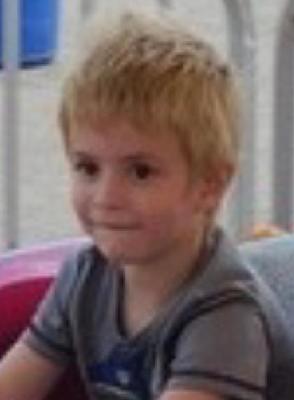
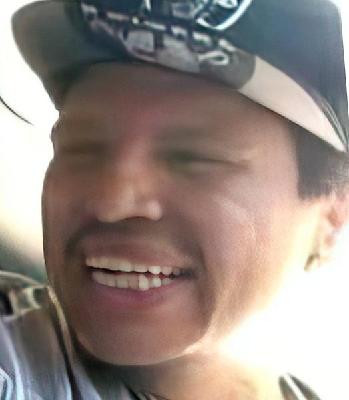
In the late 1990s, Rapid City, South Dakota, witnessed a series of unexplained deaths involving Native American and homeless men along Rapid Creek. Among the victims was Allen Hough, a 42-year-old male. His body was discovered alongside others, including Ben Long Wolf, age 36; George Hatton, age 56; Royce Yellow Hawk, age 26; Randell Two Crow, age 48; Lauren Two Bulls, age 33; Dirk Bartling, age 44; Arthur Chamberlain, age 45; Timothy Bull Bear Sr., age 47; Lonnie Isham, age 43; and Wilbur G.
Johnson, age 41. Most of these individuals were found in or near Rapid Creek between 1998 and December 2000.
The circumstances surrounding these deaths raised concerns within the Native American community. Many believed that the incidents were not thoroughly investigated due to the victims' ethnic backgrounds and socioeconomic statuses. Stacy Low Dog, a Lakota woman who organized volunteer patrols along the creek to improve safety, expressed her belief that foul play was involved. She noted that rumors within the community pointed to harassment by young white individuals targeting the homeless along the creek.
Despite these concerns, law enforcement agencies at the time concluded that there was no evidence indicating criminal activity in these cases. Pennington County Sheriff Don Holloway stated that every lead was investigated and, after thorough reviews, nothing was identified to suggest these were criminal events. Consequently, the deaths were not categorized as unsolved crimes.
However, family members and community advocates continued to question the adequacy of the investigations. They highlighted a historical pattern of violence against Lakota people since the arrival of settlers in the Black Hills region. This historical context fueled skepticism about the commitment of law enforcement to resolve cases involving Native American victims.
In response to ongoing concerns about missing and murdered Indigenous individuals, the Operation Lady Justice Task Force was established in Rapid City. This initiative aimed to address cold cases involving American Indians and Alaska Natives. Community members urged the task force to include the cases of the men found along Rapid Creek in their investigations, seeking justice and closure for the victims and their families.