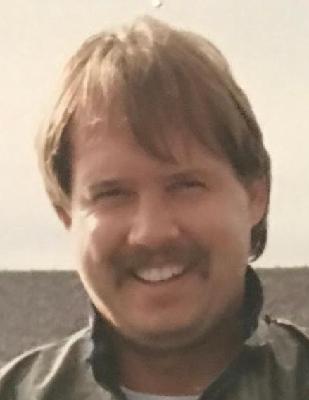
Brandon Wounded Arrow, a 22-year-old Native American man, was shot on a Wednesday night in Rapid City, South Dakota, in the kind of sudden violence that leaves a neighborhood suspended between sirens and disbelief. What was known early was stark: a gun had gone off at a residence, and by the time police were racing toward the call, Wounded Arrow was no longer on the scene—someone was trying to rush him to help in a private vehicle.
Officers moved to intercept.
They stopped the vehicle and began life-saving efforts while waiting for paramedics, working in those urgent minutes where the outcome is still uncertain and every second feels stolen. Wounded Arrow was transferred to an ambulance and taken to the hospital, but he did not survive. In the immediate aftermath, investigators were left to piece together what had happened inside that home and in the moments that followed, trying to separate rumor from fact and accident from intent.
Police said they were investigating the shooting and trying to determine whether it was deliberate or accidental. Witnesses were interviewed, and authorities indicated they were awaiting autopsy and forensic results to clarify the circumstances—details that often decide whether a case becomes a tragedy without charges, or the beginning of a homicide prosecution. Public reporting around the case did not identify a suspect, and it did not describe any arrests or criminal charges connected to Wounded Arrow's death.
Beyond the police tape and unanswered questions, Wounded Arrow's death was also marked in the way his family and community spoke of him: as someone born in Chadron, Nebraska, who had ties to loved ones spread across multiple states, and whose life ended far too early in Rapid City. The official investigation, at least as described publicly, remained focused on resolving the central uncertainty—how and why the shot was fired, and whether anyone would ultimately be held responsible.