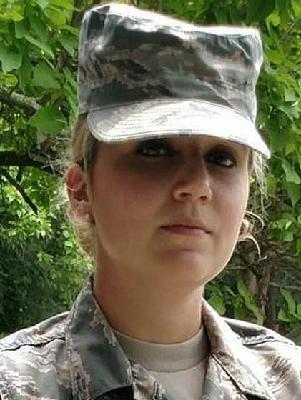
Shaline Amanda Wymer, a 30-year-old white woman from Cheyenne, Wyoming, died on September 16, 2019.
That Monday afternoon, gunfire erupted inside a home on East 11th Street, and by the time officers arrived, two adults had been shot. Police later said Wymer and Adrien Butler were found with fatal gunshot wounds, while two teenage boys who were also shot survived and were rushed for emergency care.
Investigators quickly began talking about narcotics as a possible thread running through what happened in the house, because the address had drawn prior calls and the shooting had the feel of a drug dispute that suddenly turned into something far worse.
As the neighborhood was still reeling, officers searched nearby and found a suspect in a field not long after the shooting. The man—identified as Andrew Weaver—was taken into custody the same day after police said he surrendered. Early reports described the investigation as moving fast, but with the most important questions still hanging in the air: why he went there, what he expected to get, and what made him start firing at the people inside.
Court records described in local reporting painted a grim picture of what investigators believed happened next. Weaver allegedly came to the house intending to trade a gun for drugs and possibly another handgun or money, and later told officers he began shooting after feeling threatened during an argument about the weapon. The same reporting said he was found in possession of a silver-and-black Smith & Wesson 9mm handgun, and that witnesses told police he had spoken earlier about wanting to know what it felt like to kill—words that, once paired with the scene inside the home, deepened the horror of the case.
Within days, prosecutors filed state charges against Weaver that included two counts of second-degree murder, along with additional violent-felony counts tied to the other victims. At the same time, the case drew federal attention as well: a federal grand jury indicted Weaver on a felon-in-possession firearm charge connected to the September 16 shooting, while agencies continued working in parallel as the larger investigation unfolded.
The criminal case ultimately ended in a plea agreement rather than a full trial. In August 2021, Weaver pleaded guilty to multiple felony counts—two counts of second-degree murder, three counts of attempted second-degree murder, and one count of aggravated assault—and was sentenced to spend the rest of his life in prison.