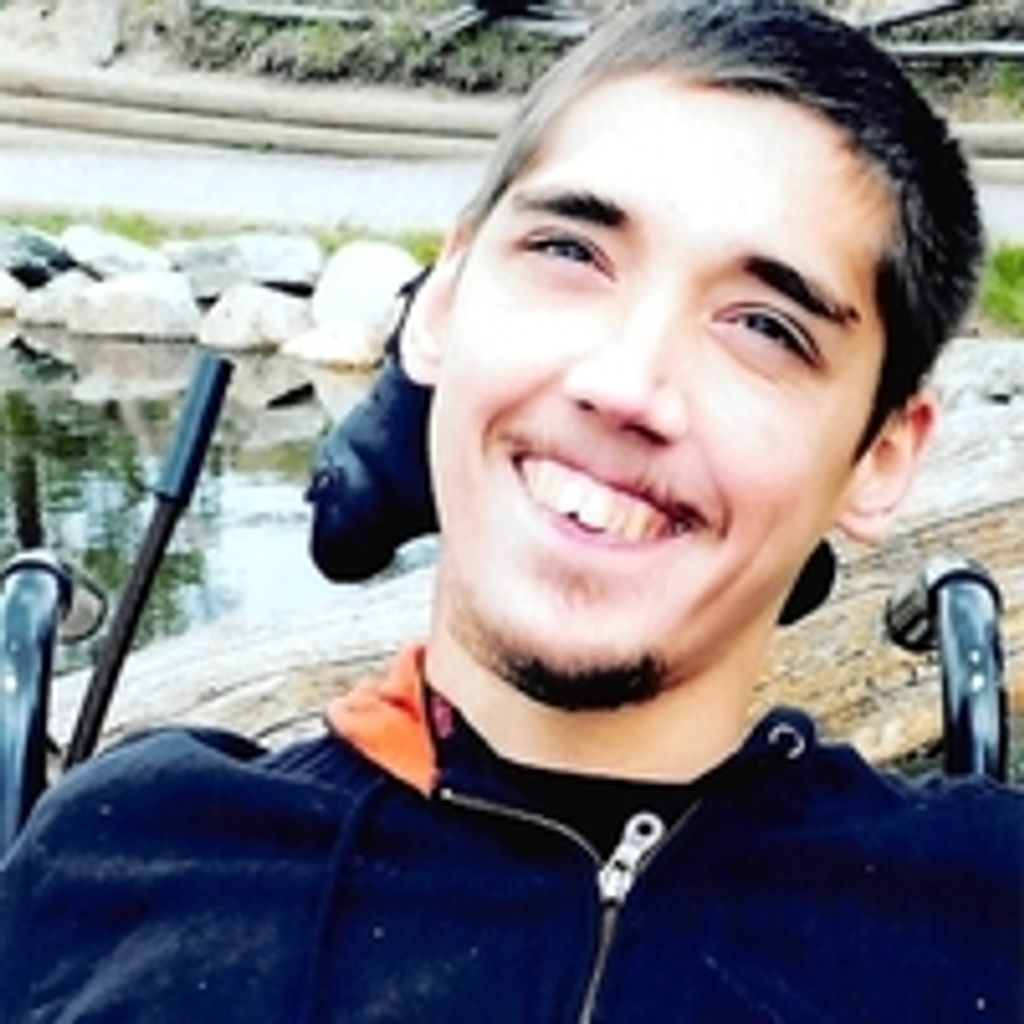
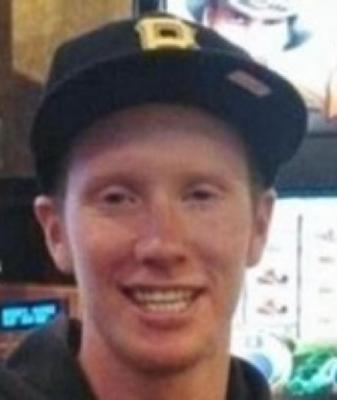
Tanner Michael Miller, a 21-year-old White man from Gillette, Wyoming, was still in the middle of figuring out adulthood when the night of June 2, 2020 turned ordinary plans into something irreversible. Earlier, he and friends had been together, drinking and moving from one stop to the next, the kind of evening that feels routine until it isn't.
Later that night, he arrived at an apartment where one of those friends, Joshua Lewis Campbell, was inside with another companion.
In the version laid out in court records and later reported, the two inside decided to stage a prank: they locked the door, shut off the lights, and waited with rifles to scare Miller when he came in. Miller tried the door more than once. Then the door was unlocked, he stepped inside and turned on the lights—and Campbell fired an AR-15 at close range. Emergency dispatch received a 911 hang-up call; when contacted again, Campbell said he had shot an intruder, before acknowledging it was his friend. Miller was taken to a hospital and died soon after. An autopsy later indicated the muzzle was extremely close to his head when the shot was fired.
Investigators quickly focused on Campbell as the shooter. Police said Campbell had called in the shooting himself, and he was arrested on suspicion of manslaughter in the days immediately following. As the case surfaced publicly, two sharply different explanations ran side by side: Campbell told officers he believed he was facing an intruder and acted in self-defense, while the witness account described a drunken scare tactic that went catastrophically wrong.
In the months that followed, the case moved through the courts and the story hardened into filings, hearings, and a single charge that fit what prosecutors believed they could prove. Campbell initially pleaded not guilty, then later changed his plea to no contest to one count of manslaughter. At sentencing in October 2021, District Judge Thomas W. Rumpke imposed a prison term of three to ten years, adopting the prosecution's recommended sentence over a defense request for probation. In court, Campbell described June 2, 2020 as the worst day of his life and said aloud what had already been established: he had shot and killed one of his best friends.