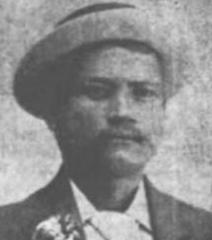
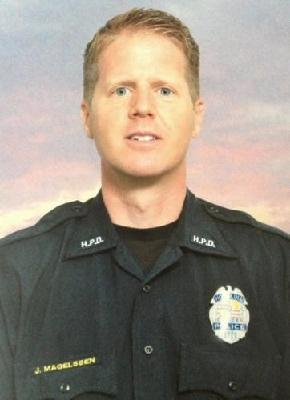
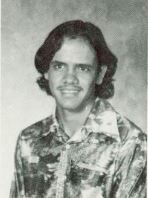
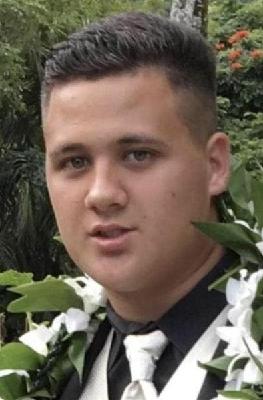
Thad Fumio Sugai, a 26-year-old Hawaiian Native man from Honolulu, was working as an officer with Hawaii’s State Security Division when his life was cut short on December 20, 1983, inside Diamond Head Crater. The day had already taken on a strange and dangerous shape before he arrived. Reports described a man inside the crater behaving wildly, terrifying visitors, throwing rocks, and even jumping on cars.
What should have been a response to a disturbance in one of Oahu’s most recognizable places turned into a fatal encounter, and by the time it was over, Sugai had been shot to death with his own service weapon.
The scene was as chaotic as it was tragic. Accounts say the suspect had moved through the crater area in an erratic, threatening state, alarming tourists and others nearby. When Sugai confronted him, the man attacked almost immediately. In the struggle, the suspect managed to pull Sugai from his vehicle, disarm him, and fire multiple shots. What began as an attempt to restore order in a place known more for its beauty and military history than bloodshed became an ambush in close quarters, leaving the young officer mortally wounded in the very place he had gone to protect.
The violence did not end with Sugai’s shooting. A second officer or guard arrived moments later and opened fire on the suspect, critically wounding him. That meant the killer did not flee into the city or vanish into rumor. He survived the confrontation long enough to be taken into custody, and the case moved forward through the legal system. Online accounts consistently indicate there was a suspect and that he was apprehended at the scene through that exchange of gunfire, but the sources available do not clearly and consistently identify him by name.
What followed in court gave the case a grim and unsettled ending rather than the kind of conclusion many families hope for. The suspect was later found not guilty by reason of insanity on October 4, 1984, and was committed to a state Department of Health mental facility. That outcome meant there was no conventional murder conviction, even though the killing itself was not in dispute. In legal terms the case was resolved, but emotionally it remained the story of a young officer who answered a call in a place crowded with fear and confusion and never came home.
Sugai had reportedly served about a year with the State Security Division and was survived by his parents and sister. The details that endure online leave behind a stark picture: a young Honolulu officer confronting a violent man in the crater, a desperate struggle for a weapon, gunfire echoing through a landmark better known for its views, and a case that ended not with a prison sentence but with a ruling of insanity. His death has since been remembered in law-enforcement memorial records, not simply as a line-of-duty loss, but as a brutal and sudden killing that unfolded in the middle of an ordinary day turned irreversibly dark.