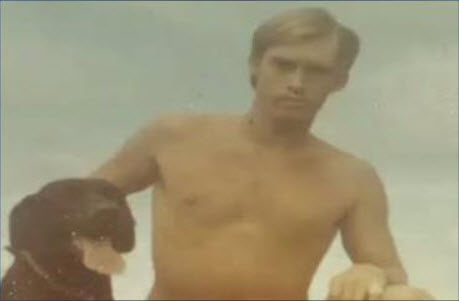
Gregory Michael Gordon, a 22-year-old White male soldier stationed at Schofield Barracks, died in Waikiki, Hawaii, on January 15, 2013, after a violent encounter with Honolulu police that began in the dark, restless hours before dawn. He had served in the Army as a fire support specialist, and accounts published after his death described a young serviceman whose life had become troubled after deployment.
His family later said he had struggled with post-traumatic stress after serving in Afghanistan, a shadow that hung over the story as people tried to understand how a night in Waikiki ended with him surrounded by police cruisers and shot to death.
According to reports from local news coverage, the confrontation started when Gordon drove a black Dodge Ram the wrong way down a one-way street in Waikiki. What followed unfolded quickly and chaotically. Police pursued him through the area, and officers said he rammed multiple marked patrol cars during the chase. The pursuit ended when his truck was boxed in by a large number of police vehicles near the edge of Waikiki. In that cramped, flashing scene, with officers positioned around the vehicle and weapons drawn, the standoff turned fatal. Two Honolulu officers opened fire, killing him there in the truck.
In the months that followed, the case drew scrutiny because it was not simply treated as a routine police shooting. Questions rose over how the pursuit was handled, whether Gordon had any way out once police closed in, and whether the force used against him had been necessary. The release of surveillance footage later added to the public debate, because it gave a more distant, colder view of the final seconds and fed arguments from those who believed the official account did not fully answer what happened in those last moments. The image that remained was stark: a young soldier, trapped in a vehicle, police cruisers jammed around him, gunfire ending the encounter before any courtroom or formal criminal case against him could begin.
As for suspects and arrests, the central figures in the case were the Honolulu police officers who fired the fatal shots, but the matter did not lead to criminal charges against them. Local reporting later said the Honolulu prosecutor issued a memo explaining that no criminal charges would be pursued against the officers involved. In other words, there were no arrests announced in connection with Gordon's death, no outside suspect identified, and no prosecution that moved forward against the officers who shot him. The case remained, instead, one of those lasting and disputed police shooting stories in Hawaii, remembered less for a trial or conviction than for the unresolved sense of tragedy around how Gregory Gordon's final night spiraled from a traffic incident into a deadly confrontation.