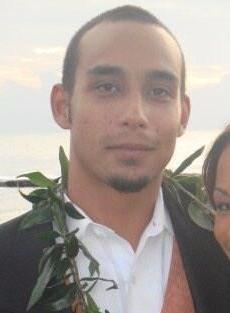
The morning after Halloween in 2016, the quiet shoreline near Salt Pond in Hanapēpē turned into a crime scene when someone came across a body near the Hanapēpē Lighthouse. It was Jon Togioka, 34, a Native Hawaiian man from Kauaʻi. Investigators determined he had been shot multiple times, and the case quickly hardened from a suspicious-death call into a homicide investigation that pulled several people into its orbit.
The killing was tied to the night of October 31, when Togioka was driven out near Burns Field, an isolated stretch close to the water. Testimony later described a tense moment beside a parked car: Togioka and another man stepped out to talk while a third person waited inside. A gunshot cracked through the dark, followed by a brief, stunned plea—“Don't shoot me. Oh, you shot me.”—and then more shots. The witness said Togioka collapsed face-down in front of the car, and the shooter returned with a firearm, setting it down on the driver's side floor before leaving the area.
Within days, police began making arrests. Early reports said two men from Waimea—one 20 and one 38—were arrested on murder charges and held on $500,000 bail. Court records later identified Koma Kekoa Texeira Jr. and Clayton Kalani Kona among those taken into custody in connection with the homicide, along with Trish Mae Flores, Brandon Pagala, and Robert “Bobby” Dela Cruz. As the case moved forward, the focus narrowed toward Texeira as the alleged gunman, while Kona and others were treated as part of the surrounding network of witnesses, associates, and possible accessories.
Prosecutors ultimately charged Texeira with murder in the second degree and related weapons offenses. Kona was charged as well, but before trial he entered into a plea agreement and later pleaded guilty to hindering prosecution in the first degree and firearm possession offenses, in exchange for cooperation that included testifying as needed. In pretrial and trial litigation, the defense tried to steer suspicion toward a third party, pointing to claims of conflict and possible access to. 22-caliber ammunition and a rifle through Flores and her connections. The courts described those efforts as speculative without a concrete link placing any alternate suspect at the scene as the shooter, and the case against Texeira proceeded with the evidence the state considered most direct.
In March 2018, a Fifth Circuit jury found Texeira guilty on all counts after a two-week trial. He was sentenced to life in prison in July 2018. On appeal, the Hawaiʻi Supreme Court later upheld the conviction, describing the murder as an execution-style shooting and concluding that key evidence—along with the trial record as a whole—supported the verdict. The legal fight over what the jury should have heard about alternate suspects continued in the appellate opinions, but the conviction remained intact.
No public record from the case indicates that anyone other than Texeira was convicted of the murder itself. Others arrested in the sweep around the investigation were not ultimately identified in court outcomes as the shooter, and Kona's conviction centered on hindering prosecution and firearm possession rather than the homicide charge. The case closed, in the eyes of the courts, with Texeira held responsible for the killing and a life sentence meant to mark the final consequence of what began as a Halloween night drive into the dark and ended on the sand near Salt Pond.