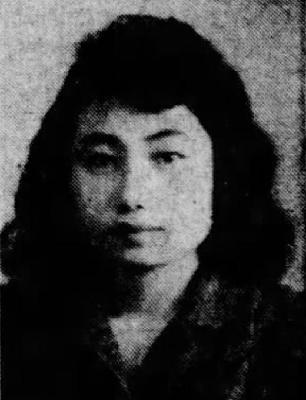
Malia Soma-Valmoja, a 30-year-old Native Hawaiian woman from Wahiawa, was killed on January 11, 2020 after a shooting in the Whitmore Village area. In the days that followed, her name spread through the community the way sudden violence always does on Oʻahu—first as urgent whispers, then as a public grief that refused to stay quiet. The Honolulu Medical Examiner's Office identified her after the fatal shooting, and for many who knew her, the confirmation turned fear into a different kind of
pain: the reality that she was gone.
The place tied to her death was already infamous in local conversation: state-controlled land near Whitmore Village that residents and lawmakers had long described as a magnet for crime and dangerous activity. After she was killed, her family and supporters pushed publicly for government action, arguing that the conditions in the area had been allowed to fester for years despite repeated complaints. Their calls for change became part of a broader argument about safety, oversight, and accountability—about how a neglected patch of land could become a shadowed world where people drifted in and out and violence could find room to happen.
Investigators eventually focused on a suspect, and Bernard DeCoito was charged in connection with the shooting. Reporting at the time described him as being held at the Oʻahu Community Correctional Center on $1 million bail, accused of shooting Soma-Valmoja during an argument, and entering a not-guilty plea to the manslaughter charge. The case, as described in those reports, also carried the weight of his prior record—raising the possibility of harsher sentencing exposure if convicted, because he had already been convicted of a felony.
Her death also became a grim turning point used to justify law-enforcement and state action in the area around Whitmore Village. In late February 2020, a sweep of the property uncovered extensive dumping and signs of criminal activity, and police arrested three men during that operation—two for unauthorized entry into a motor vehicle and one on outstanding warrants—while others were warned for trespassing. Those arrests were described as part of cleaning up an area that officials portrayed as too dangerous to patrol routinely, and Soma-Valmoja's killing was cited as the moment that forced the issue into the open.
In the years since, her name continued to surface whenever the Whitmore Village property was discussed—especially as officials described efforts to reclaim and repurpose the land. Accounts of the site's transformation into a managed agricultural area pointed back to 2020 and to the killing that jolted the state into a more aggressive response. Even as the land changed, the story of her death remained tied to it: a reminder that, for her family, “cleanup” was never just about debris and abandoned vehicles, but about a life taken and the long, uneven road that followed through courts, policy debates, and memory.