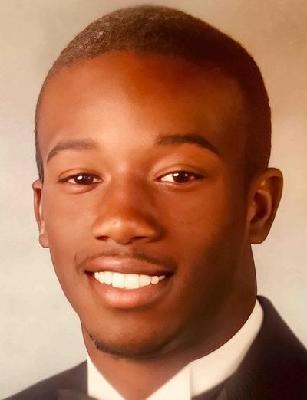
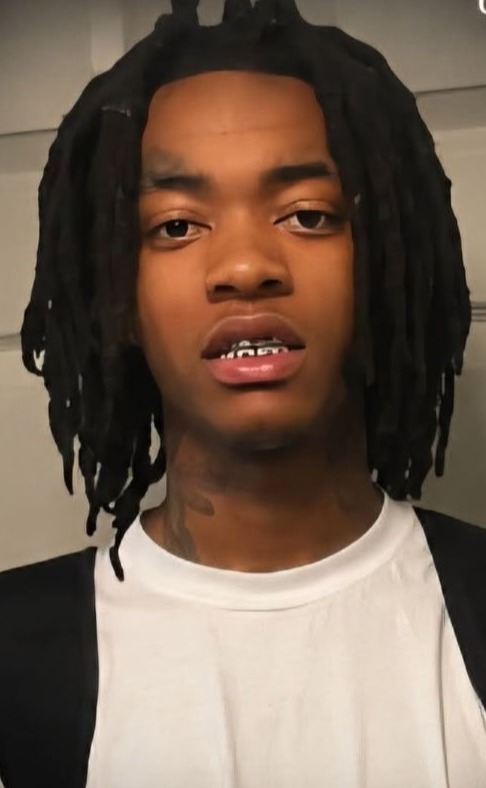
On the evening of January 31, 1978, Sergeant Robert Jackson, a 29-year-old Black male narcotics officer with the Dothan Police Department, returned to his home after a day's work. As he was getting out of his car, the night was shattered by the sound of a 12-gauge shotgun. Struck by the blast, Sergeant Jackson fell in his driveway. His wife ran to his side, holding him as he died, while their two young children looked on.
The gunman, who had fired from a car, was not immediately identified, leaving investigators with very little evidence to proceed with.
In the aftermath of the assassination, Alabama's then-governor, George Wallace, announced a $10,000 reward for information leading to a conviction, yet the case went cold, breeding silence and suspicion within the community. Whispers and conspiracy theories began to circulate, with some suggesting that white supremacists were responsible for the murder of one of Dothan's first Black narcotics officers. Others believed the police department itself knew more than it was revealing to the public.
Years later, a new lead emerged from an unlikely source. A former Dothan police officer, Wykle Williams, came forward with a deathbed confession from his father, W.D. Williams. The elder Williams admitted to ordering the assassination of Sergeant Jackson because the officer was investigating him for his involvement in cocaine trafficking. W.D. Williams reportedly named three men he hired for the murder: Jimmy Albritton as the shooter, Drury Mills as the driver, and Neil Walker as the lookout. Despite this confession, which the FBI was allegedly aware of, no charges have ever been filed against the named suspects, and the case of Sergeant Robert Jackson's murder remains officially unsolved.