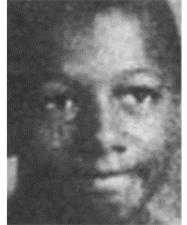
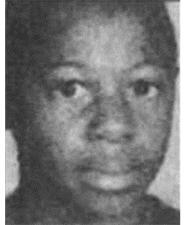
In the quiet farming community of Moody's Crossroads in Crenshaw County, a tragic story unfolded that ended the life of Willie Edward Haslip. A 40-year-old male, Haslip resided in a trailer on the Ball family farm with his wife, Joanne Ball, and their three sons. The patriarch of this family was his mother-in-law, 65-year-old Mila Ruth Ball. The chain of events leading to the tragedy began with a troubled relationship between the Balls' 16-year-old daughter, Janice Ball, and a 19-year-old man
named Westly Devone Harris. Their relationship had produced a child, but had also been marked by violence, causing Janice to move back to her family's farm.
The situation escalated when Harris arrived at the farm, leading to a confrontation. Mila Ball, unhappy with his presence, threatened to have him arrested. Willie Haslip, along with one of his stepsons, retrieved shotguns and warned Harris to leave the property, which he did. However, this was not the end of the matter. Later that same day, on August 26, 2002, Harris returned to the farm armed and initiated a horrific sequence of events. He systematically and fatally shot six people: Willie Edward Haslip, his wife Joanne Ball, their three sons Jerry, Tony, and John Ball, and their grandmother, Mila Ruth Ball. After the murders, Harris forced Janice Ball and their young daughter to accompany him as he fled the scene in one of the family's vehicles after loading it with firearms from the home.
The ensuing investigation led to the apprehension of Westly Devone Harris. He was charged with multiple counts of capital murder. During the trial, Janice Ball provided crucial testimony against him, detailing the events of that fateful day. The evidence presented painted a grim picture of a domestic dispute that spiraled into a mass killing. The prosecution argued that the murders were committed during the course of a burglary, a factor that elevated the charges to capital offenses.
Ultimately, the jury found Westly Devone Harris guilty on all counts. In the penalty phase of the trial, the jury recommended a sentence of life in prison without the possibility of parole by a vote of seven to five. However, in a move permissible under Alabama law at the time, the trial court judge overrode the jury's recommendation and imposed the death penalty. Harris's subsequent appeals, which raised issues including his intellectual capacity and the judicial override of the jury's sentencing recommendation, were denied by higher courts, upholding his conviction and death sentence for the murders of Willie Edward Haslip and five members of the Ball family.