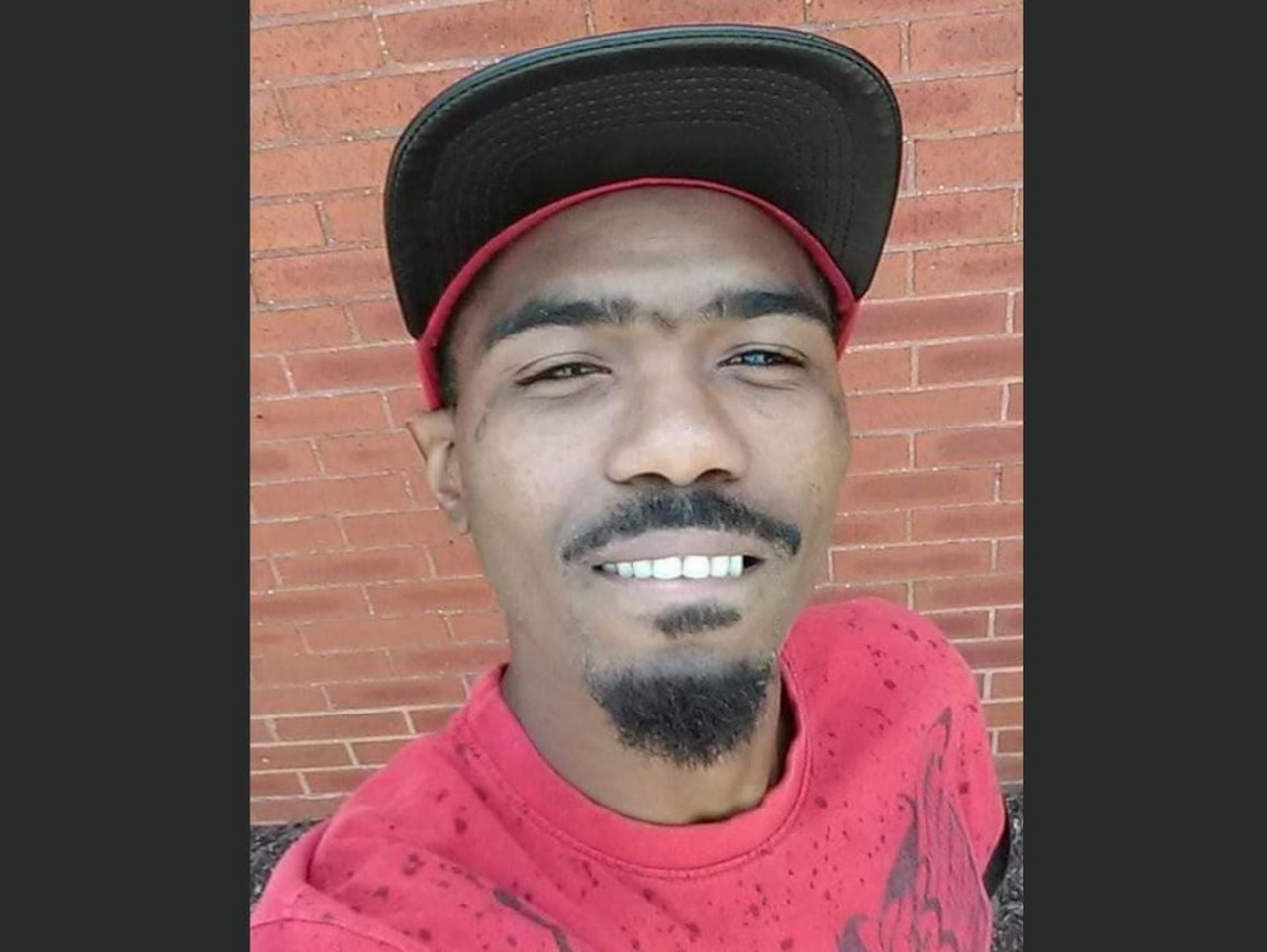
On a summer afternoon in Birmingham, Alabama, a situation involving a man in distress ended in tragedy. Clyde Patrick, a 44-year-old man, died on August 2, 2007, after an encounter with officers from the Birmingham and University of Alabama at Birmingham police departments. The events of that day would later be scrutinized in a civil rights lawsuit and become a data point in national conversations about the use of Tasers by law enforcement.
That afternoon, police responded to a call
concerning a mentally disturbed individual near the UAB Hospital emergency room. They found Clyde Patrick, a large man weighing over 300 pounds, who was reportedly off his medication for diabetes, hypertension, and anxiety. According to a witness, Patrick did not seem intent on harming anyone and appeared to be in need of assistance. Earlier in the day, he had been at the hospital because he had run out of his medication.
The interaction with law enforcement escalated, and officers resorted to using their Tasers to subdue him. Over a period of less than eleven minutes, Clyde Patrick was tased a total of eighteen times by multiple officers. Following the repeated shocks, Patrick went into medical distress and subsequently died. The Jefferson County Coroner's Office later classified his death as a homicide. The official cause of death was determined to be a probable arrhythmia secondary to a pre-existing heart condition, with the use of the Taser cited as a contributing factor.
In the aftermath of Clyde Patrick's death, the administrator of his estate, Earl Patrick, filed a civil rights lawsuit against the City of Birmingham and its police chiefs. The lawsuit alleged that the officers' actions constituted excessive force and deliberate indifference. While internal investigations were conducted by the Birmingham Police Department and the Jefferson County District Attorney's Office, the details of these inquiries were not made public or admissible in the subsequent civil trial. The legal proceedings focused on the civil liability of the city and its employees. Information regarding any specific disciplinary actions taken against the involved officers or the ultimate resolution of the civil lawsuit, such as a settlement or verdict, is not publicly available.