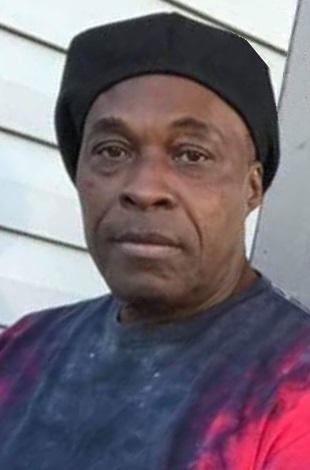
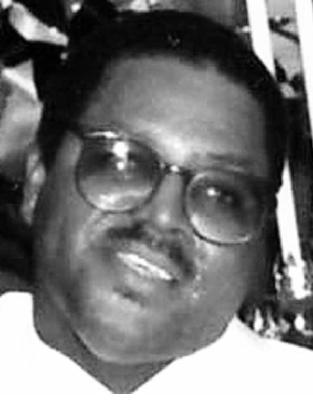
On a December evening in 2014, the life of 35-year-old Derrick Bailey, a Black male, was cut short in the Collegeville neighborhood of Birmingham, Alabama. The incident, which occurred on December 12th, stemmed from a dispute that tragically escalated to gunfire. Bailey sustained a fatal gunshot wound and was pronounced dead at the scene, leaving behind a grieving family and a community searching for answers.
The investigation into Bailey's death led Birmingham police to identify a
suspect, Demetrius Jenkins. Jenkins was subsequently arrested and charged with murder. As the case proceeded through the legal system, it became apparent that the events of that fatal night were not as straightforward as they might have initially seemed. The narrative of what transpired would ultimately be debated and decided within the walls of a courtroom.
At trial, Demetrius Jenkins's defense team argued that his actions were not born of malice, but of a need to protect himself. They contended that Jenkins had acted in self-defense during the altercation with Bailey. The Jefferson County jury was presented with competing narratives of the encounter, one portraying a senseless act of violence and the other a desperate act of survival. After deliberating on the evidence and testimony, the jury rendered its verdict. They found Demetrius Jenkins not guilty of murder, acquitting him of the charge. The outcome of the trial, while a legal conclusion, left the family and friends of Derrick Bailey to grapple with the permanent void left by his absence.