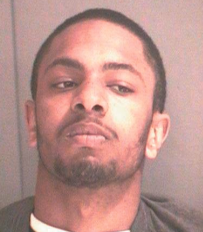
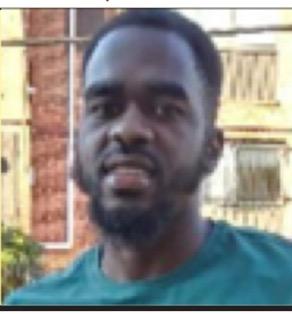
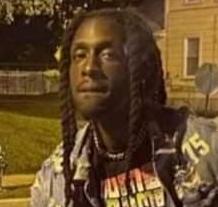
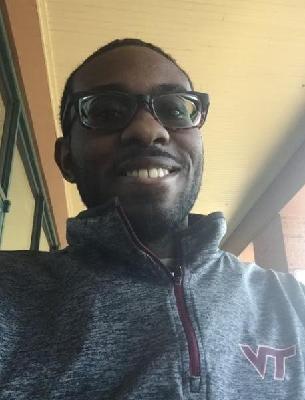
Sergio Brown Jr., a 20-year-old male from Bowie, Maryland, spent the late hours of Tuesday rolling into the earliest minutes of Wednesday, September 10, 2008, riding in a car with two other people along Southern Avenue SE on the edge of Washington, DC. In the stillness of just after 1 a.m., as their vehicle moved through the 4600 block of the roadway that marks the border between the District and Prince George's County, that ordinary ride was shattered when someone opened fire on the car, turning the quiet stretch into a sudden crime scene.
Gunshots tore into the vehicle, and in the chaos that followed, the car's occupants tried to escape the barrage. When the shooting stopped and first responders reached the scene, Sergio was found unconscious and gravely wounded, suffering from multiple gunshot injuries.
Medics rushed him from the 4600 block of Southern Avenue SE to a nearby hospital across the line in Maryland, but despite those efforts, he died of his injuries later that day. His death transformed what had been a routine late-night drive into a homicide investigation, one more name added to the District's toll of young lives cut short by gun violence.
Away from the flashing lights and crime-scene tape, Sergio's family and friends remembered him not as a case number, but as Sergio Allen Brown Jr., a son, grandson, brother and friend whose absence left a heavy silence in Bowie and Capitol Heights, where people spoke of watching him grow up. Obituaries placed by his family in Washington newspapers describe him surrounded by close-knit relatives, including parents, siblings, nieces and a wide circle of loved ones, and they record funeral services held a week later at Holy Family Church in Mitchellville, Maryland, followed by burial at a local cemetery. In the condolences that followed, classmates and neighbors wrote of someone they had known since school days, recalling shared jokes, hallway conversations and the shock of learning that the familiar face from their past would not be coming back.
While the family mourned, detectives from the Metropolitan Police Department's Homicide and Sexual Offenses Branch took up the case, trying to piece together who had targeted the car and why. Official fliers circulated by the department describe how the vehicle with three occupants was attacked at 1:02 a.m. in the 4600 block of Southern Avenue SE and note that the department offers a reward of up to $25,000 for information leading to the arrest and conviction of whoever is responsible. Public appeals for information list contact numbers for the lead detective and the Command Information Center, highlighting how heavily investigators have had to rely on tips and community cooperation to move the case forward.
Years later, Sergio's killing is still treated as an open homicide. Cold-case and victim-advocacy sites that catalog unsolved murders in Washington, DC list his name, age and date of death, but they provide no indication that anyone has ever been charged in connection with the shooting. As of the most recent public records and police notices, authorities have not announced any arrests or publicly identified suspects, leaving the attack on the car and the motive for the gunfire officially unresolved. What remains in the public record is a brief, stark description of a young man's final moments on Southern Avenue and an enduring, unanswered invitation from detectives for someone to come forward with the piece of information that might finally explain how and why his life ended that night.