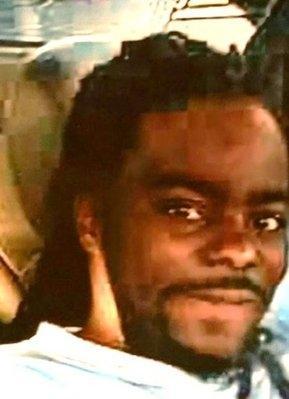
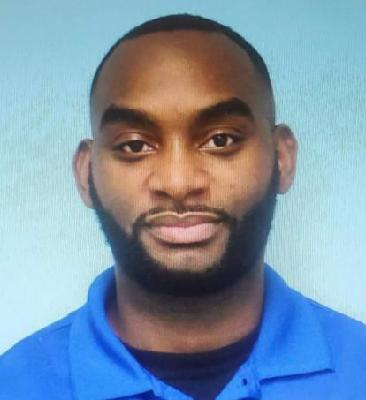
Tyler Chance Sasser, a 41-year-old White man from Montgomery, Alabama, died on October 5, 2016, after a shooting on Fairground Road. That night, at about 10 p.m., Montgomery police and fire medics were sent to the 3500 block of Fairground Road on a report of a person who had been shot. When they arrived, they found Sasser with a fatal gunshot wound, and he was pronounced dead at the scene.
In the sparse, blunt language that often follows sudden violence, authorities identified the place, the hour, and the injury, but the deeper story was the same one carried by his obituary: a Montgomery man born on November 20, 1974, a father of two sons, and a son and brother whose death left a permanent break in the lives around him.
In the days after the killing, investigators moved the case forward and announced an arrest. Montgomery police said the homicide investigation led detectives to charge Rodrick Senderson Jr., 22, of Montgomery, with murder in Sasser’s death. According to the report, Senderson was taken into custody by the U.S. Marshals and then transported to the Montgomery County Detention Facility, where he was being held under a $300,000 bond. Publicly available reporting tied to the case identifies Senderson as the named suspect and describes the charge, but the available sources located here do not provide a fuller narrative of what led to the shooting or a clear public accounting of any later trial, conviction, or final court disposition.
What remains in the public record is a stark outline: a man killed in Montgomery late at night, an arrest made less than a week later, and a family left to write the more personal version of his life after the headlines stopped. His obituary does not dwell on the violence that ended his life, but it does preserve what violence usually tries to erase: that Tyler Sasser was more than a case entry. He was remembered by his parents, his children, his sister, and other family members, and the contrast between that quiet memorial language and the facts of the homicide makes the case feel especially sharp. One account records the gunshot, the street, and the arrest; the other records the people who had to go on living without him.