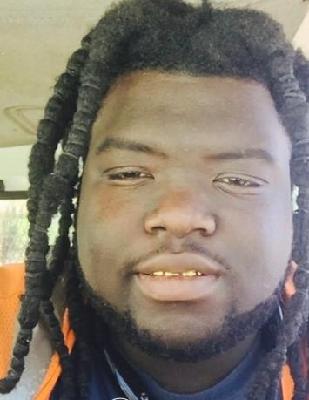
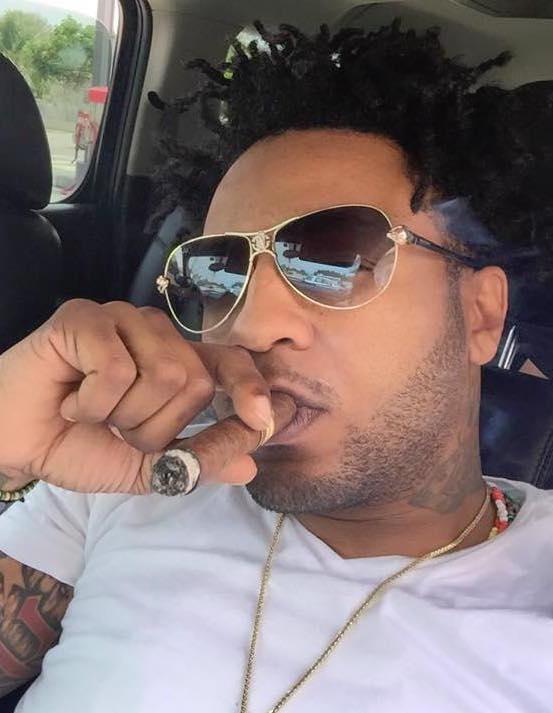
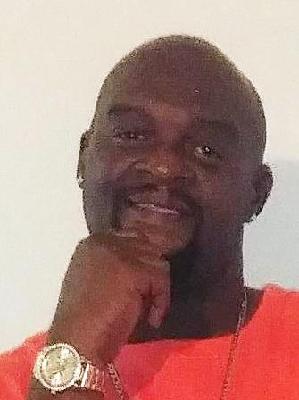
In the summer of 2017, the life of 43-year-old Derrick Buford, a Black man, was tragically cut short in Mobile, Alabama. On the late evening of July 12th, Buford was found suffering from a gunshot wound inside a vehicle that had crashed into a building. The initial discovery was made by officers who were responding to a ShotSpotter alert, a system designed to detect and locate gunfire. The incident occurred in the vicinity of St. Stephens Road and rew Street.
Buford was rushed to a nearby hospital, but tragically, he succumbed to his injuries, leaving a family and a community to mourn his sudden and violent death.
The investigation into Buford's homicide led Mobile police to identify a suspect, LeArthur Sashington. Within days of the shooting, Sashington was taken into custody and charged with the murder of Derrick Buford. The narrative that emerged from the investigation painted a grim picture of the events that transpired on that fateful night. Authorities believe that both Buford and Sashington were inside the same vehicle when an argument erupted between them. The dispute escalated, culminating in Sashington allegedly shooting Buford. The vehicle, with the mortally wounded Buford inside, then crashed, leading to the initial discovery by law enforcement.
Following his arrest, LeArthur Sashington faced the judicial process. He was tried for the murder of Derrick Buford, and in a significant development in the case, a jury found him guilty of the lesser charge of manslaughter in October 2021. The trial brought to light the details of the altercation that led to Buford's death, ultimately resulting in a conviction. Subsequently, in December 2021, Sashington was sentenced to serve 20 years in prison for his role in the death of Derrick Buford, bringing a measure of closure to a case that had begun with a ShotSpotter alert and ended with a lengthy prison sentence.