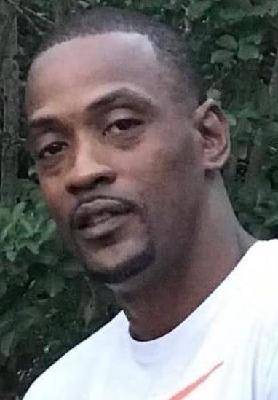
In the summer of 2017, a quiet residential street in Mobile, Alabama, became the scene of a grim discovery. On the afternoon of August 3rd, police were dispatched to a home in the 3000 block of Pleasant Valley Road, where they found the body of 70-year-old Larry Willingham. A male Vietnam veteran, Willingham had been brutally beaten to death inside his own residence in what authorities described as a home invasion.
The initial investigation left detectives with a perplexing case, and for a year, the violent end to a man's life remained a troubling mystery with no arrests made.
The break in the case came a year later, a result of persistent investigative work and the power of forensic science. In August of 2018, the Mobile Police Department announced the arrest of 28-year-old Timothy Hall Jr. The crucial piece of evidence that linked Hall to the crime was his DNA, which was matched to blood found at the scene of the murder. With this definitive link, Hall was taken into custody and charged with capital murder, the most serious of offenses, suggesting the state's belief in the brutal and premeditated nature of the crime. The case was described by the district attorney as a seemingly random act of violence, as there was no apparent connection between Hall and Willingham.
The legal proceedings that followed took an unusual turn due to the identity of the suspect's mother, a Mobile Municipal Court Judge. This relationship created a conflict of interest, prompting the Mobile County District Attorney's office to recuse itself from the prosecution. A special prosecutor from outside the county was appointed to handle the case, and a retired judge was brought in to preside over the hearings to ensure impartiality. Initially, the prosecution announced its intention to seek the death penalty against Hall, underscoring the gravity of the charges he faced.
Ultimately, the case against Timothy Hall Jr. did not proceed to a capital murder trial. Instead, Hall accepted a plea agreement to the lesser charge of murder. In exchange for his guilty plea, he was sentenced to 28 years in prison. This resolution brought an end to the legal chapter of a case that began with a shocking and senseless act of violence, providing a measure of justice for the death of Larry Willingham, though the full story of why the tragic encounter occurred may never be completely known.