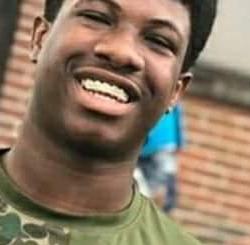
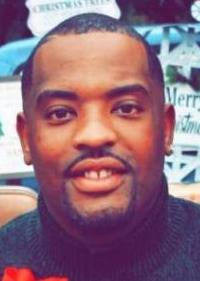
In the early hours of July 3, 2019, Tavosiea Thomas, 29, a Black male from Anniston, Alabama, was found shot in the 1800 block of Moore Avenue after what police described as a dispute that turned deadly. Investigators said the violence grew out of an argument over money, and by the time officers and detectives began piecing together what happened, they believed only two men had been involved in the shooting.
Thomas was taken for emergency care but did not survive.
Police reported that he died at a hospital in Anniston later that morning, and public obituary notices identified the facility as Regional Medical Center. In the days that followed, his death rippled outward through the city in the quieter ways tragedies do—through funeral announcements, family remembrances, and the hard fact that a life once measured in ordinary milestones was now being measured by a single date.
As the scene on Moore Avenue came into focus, officers also learned that the suspected shooter had been hurt. Anniston police said Jeremy Oliver, 29, of Anniston, arrived at the hospital on his own with injuries from the same confrontation. After he was treated and released, police took him into custody and announced he had been arrested for Thomas’s murder. No additional suspect was publicly identified in the initial police account, and early reporting indicated that further details were not immediately available at that time.
Records that track gun-violence incidents also listed Oliver as the suspect and reflected that he was injured and arrested in connection with the shooting that killed Thomas in Anniston. But beyond the arrest, widely published updates on later court outcomes—such as indictment language, trial dates, or a conviction—do not appear alongside the initial reports and memorial notices available in the same public sources describing the case.