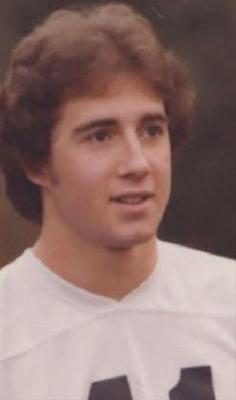
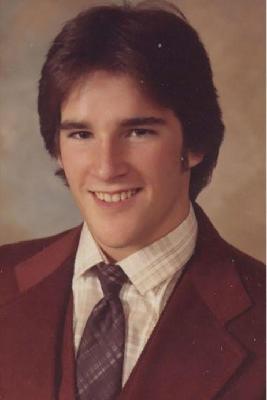
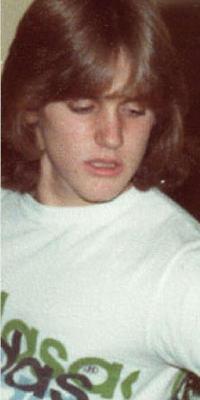
White/Caucasian, Male John Dease Coulthurst, age 4, was one of eight people who never came home from a sleepy late-summer fishing stop in Craig, Alaska. Over Labor Day weekend 1982, his family's new 58-foot salmon seiner, the Investor, eased into the tiny harbor after a long season. On the morning of September 7, the vessel lay oddly at anchor off Fish Egg Island. When smoke began to curl from her decks, neighbors from nearby boats sprinted over the water to help—but they met a wall of fire. When troopers and the Coast Guard finally beat the blaze back, they found bodies instead of survivors. Investigators would conclude that the victims—skipper Mark Coulthurst, his pregnant wife, Irene, their children Kimberly, 5, and John, 4, along with four teenage deckhands—had been shot before the killer tried to erase the crime with gasoline and flames. It remains the largest unsolved mass homicide in Alaska.
The final night had felt ordinary. The crew and family came ashore to mark the skipper's 28th birthday, then returned to the Investor as fog pooled in the harbor. At first light, witnesses noticed the boat slipping away without an engine's thrum, a lone figure at the wheel, and later a young man in the Investor's skiff moving through the mist. By the next day the ship sat off Fish Egg Island, quiet and still—until flames bloomed. Fire crews lacked the equipment to save her in time; when the hull cooled and the remains could be examined, autopsies pointed to gunshots, likely from a. 22-caliber weapon, and not smoke, as the cause of death. The Investor later sank while under tow, compounding the loss of physical evidence and pushing investigators to lean heavily on witness accounts from a bustling, transient fishing town where faces blurred together.
In the months that followed, attention turned to a former deckhand who had once worked for the skipper. Two years after the killings, in September 1984, troopers arrested 24-year-old John Kenneth Peel. The first trial in 1986 ended with a deadlocked jury; a second, held in Juneau in 1988, brought a sweeping not-guilty verdict on eight counts of murder and arson. Peel later filed a wrongful-prosecution suit and reached a civil settlement with the State of Alaska in 1997. Despite those courtroom battles, authorities said the case itself remained open, its center a fog of fallible memories, scant forensics, and the inferno that consumed so much of what might have spoken for the dead.
Decades on, memorials and retellings continue to pull the story back into the light: a young family—Mark and Irene and their children, including John Dease Coulthurst, age 4—and four teenage deckhands whose lives folded into the same tragedy. Each new account resurrects the unanswered questions that hovered over Craig in September 1982: who guided the Investor away in the dawn hush, who bought the gas, who waved back from the pilothouse windows—and why. The case endures in books, documentaries, and community remembrances, a wound that keeps its mystery even as the names are spoken aloud year after year.