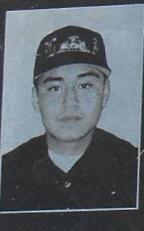
Kenneth Lewis, a 34-year-old man from Los Angeles, California, died on August 16, 2017, after being shot by law enforcement officers near the 1500 block of East 114th Street in Watts. The incident occurred during an encounter with the police, which led to his fatal shooting. The details surrounding the circumstances of his death indicate that it was a result of a law enforcement action, but specific information about the events leading up to the shooting and the reasons for the police
intervention were not fully disclosed in the initial reports.
Following Kenneth Lewis's death, there were investigations into the incident to determine the justification and legality of the use of lethal force by the officers involved. These investigations typically involve internal reviews by the police department, as well as independent oversight by external bodies to ensure transparency and accountability. The findings of these investigations are crucial in determining whether the officers' actions were in line with departmental policies and legal standards.
In the aftermath of the shooting, there were no immediate reports of arrests or charges filed against the officers involved. However, such cases often lead to civil litigation, where the family of the deceased may file a wrongful death lawsuit against the police department or the city. These lawsuits seek to hold the responsible parties accountable and to obtain compensation for the loss of their loved one. The outcomes of these legal proceedings can vary, with some resulting in settlements or judgments in favor of the plaintiffs, while others may be dismissed if the court finds that the officers acted within the scope of their duties.
The death of Kenneth Lewis also highlights broader issues related to police use of force and community relations in Los Angeles. Incidents like this often spark public outcry and calls for reforms in policing practices, particularly in communities that feel disproportionately affected by such actions. Advocacy groups and community leaders may use these incidents to push for changes in policies, training, and oversight to prevent future occurrences and to build trust between law enforcement and the communities they serve.