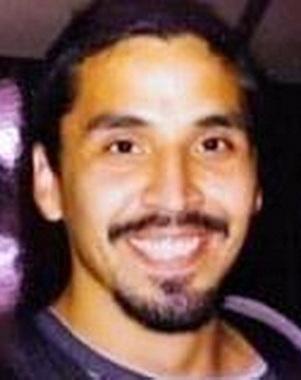
On the evening of November 7, 2021, Alaskan Native, Harley Ray Titus, Male, age 41, stepped out of the Safeway on Airport Way in Fairbanks with groceries in hand. In the ordinary rhythm of a Sunday errand, he was ambushed just outside the entrance and shot at close range. Inside the store, panic rippled as additional shots were fired, wounding an employee and sending others scrambling for cover.
A candlelight vigil would soon gather in the parking lot where the routine of life had been shattered.
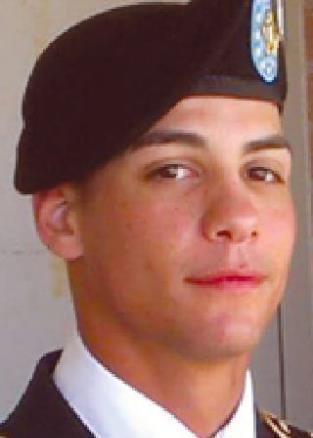
By the next day, police named the suspect: Joshua Eric Butcher. He turned himself in at the Fairbanks Police Department and was arraigned on a charge of first-degree murder; prosecutors signaled that more charges were possible as detectives continued to work the case. Bail was set at $10 million, a stark measure of the fear and grief the shooting left behind. The victim, confirmed by police as Harley Ray Titus, age 41, had been remembered by family and friends as kind and generous—a life cut short in a place meant for everyday necessities.
Years later, in open court, the legal account of what happened outside those sliding doors was finalized. On March 8, 2024, Joshua Butcher pleaded guilty to one count of murder in the first degree and two counts of third-degree assault for the gunfire that followed inside the store. On January 21, 2025, a Superior Court judge sentenced him to 85 years in prison. The judgment acknowledged the randomness and terror of the attack—one person dead just outside the entrance, an employee injured within, and many more placed in fear—as the community tried to reclaim a sense of safety in the aisles where it had been lost.
Harley Ray Titus, age 41, male, died in Fairbanks on November 7, 2021, and was later memorialized in obituaries that marked the suddenness of the “tragic event” and noted that he was laid to rest in Minto. His name now appears in gun-violence records, a somber notation beside the date and place that changed a family forever. The police updates, the vigil posters, and the court filings together sketch the arc from shock to accountability, but they cannot restore the quiet simplicity of a man walking out with his groceries on a cold Alaska night.