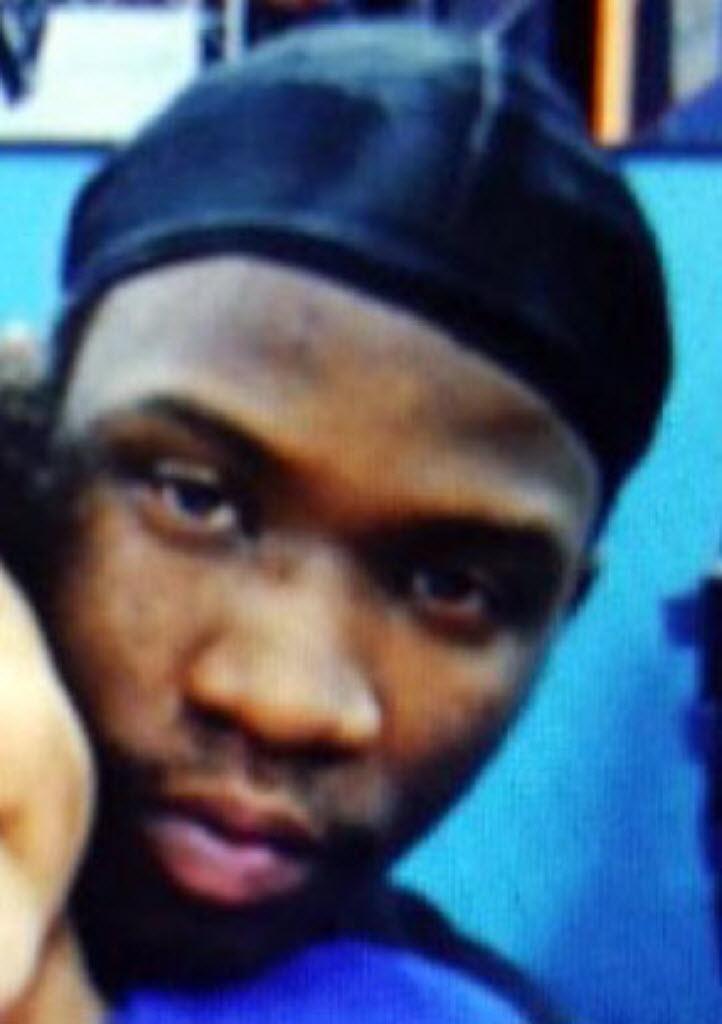
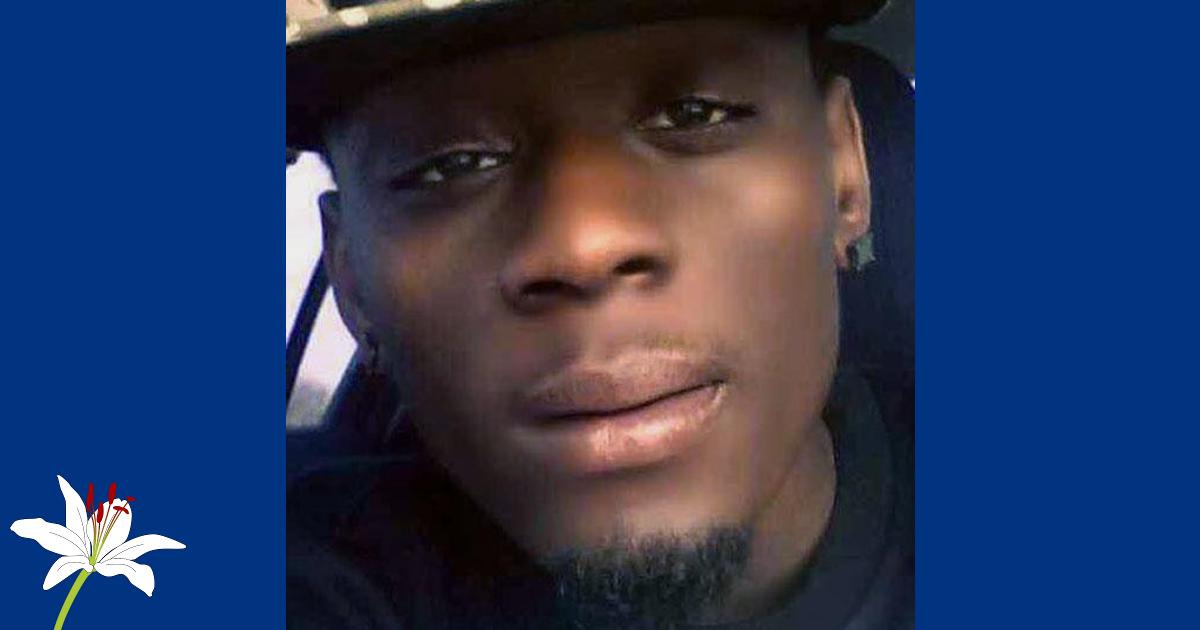
On the night of May 11, 2015, Leotis Randle, a 56-year-old African American man and U.S. Army veteran, was fatally shot while waiting at a bus stop in Milwaukee, Wisconsin. What should have been an ordinary Monday evening ended in tragedy when gunfire erupted near the intersection of North 27th Street and West Highland Avenue. Randle was standing near the northeast corner of the intersection when he was struck by gunfire, leaving him with fatal injuries.
Shortly after 10:00 p.m.,
Milwaukee police received an alert from the city's ShotSpotter gunfire detection system, which identified possible gunshots in the area. Officers responding to the alert arrived at the northeast corner of North 27th Street and West Highland Avenue, in the 2600 block of West Highland Avenue. There, they discovered Randle suffering from a gunshot wound. Despite the emergency response, he was pronounced dead at the scene. A local homicide chronicle recorded the shooting at approximately 10:06 p.m.
The Milwaukee Police Department immediately began investigating the circumstances surrounding the shooting. Detectives faced important unanswered questions about what had happened at the bus stop, who had fired the fatal shot, and why Randle had been targeted. Authorities did not publicly identify a motive in the initial reports, and investigators had not established whether the shooting resulted from a personal dispute, a confrontation, or another circumstance. No information was released establishing that Randle had been involved in an argument or altercation before the gunfire.
On May 13, 2015, two days after the killing, Milwaukee police confirmed that the investigation remained active. Authorities were still attempting to identify a suspect or suspects and determine the motive behind the homicide. At that time, no one had been taken into custody. Public reporting did not identify a suspect, describe a possible getaway vehicle, or provide a detailed account of the moments immediately preceding the shooting.
Beyond the circumstances of his death, public records provide a small but meaningful glimpse into Randle's life. Born on October 8, 1958, he had served in the United States Army, where his recorded rank was private. His military service is documented in U.S. Department of Veterans Affairs burial records. Following his death, he was laid to rest at Southern Wisconsin Veterans Memorial Cemetery in Union Grove, Wisconsin, in Section G, Site 515. His burial there preserves a permanent record of his service and his life.
The investigation into Randle's killing received limited public coverage after the initial reports. Available reporting does not establish that investigators subsequently identified a responsible individual or made an arrest. No verified public information was located documenting criminal charges, court proceedings, a trial, or a conviction directly connected to his murder. Although the absence of published updates does not establish the official investigative status, the available information leaves the identity of his killer and the motive for the shooting unresolved.
Randle's death remains a tragic example of a life taken suddenly by gun violence in Milwaukee. He was at a public bus stop on an ordinary evening when the shooting occurred, and the limited information released afterward left significant questions unanswered. More than a decade later, the publicly documented circumstances of his death offer no clear explanation for why he was killed or who was responsible.