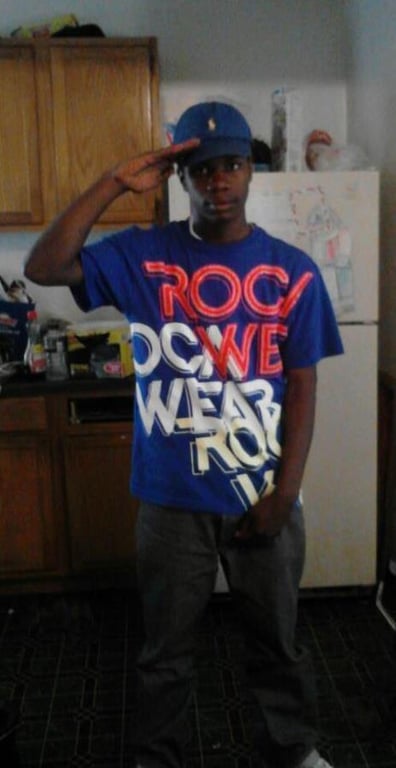
The early morning hours of August 24, 2015, brought tragedy to a Milwaukee family when Malik Williams, a 19-year-old African-American male also identified as Malik Williams-Weddle, was fatally shot inside a residence on the city's north side. The shooting occurred at approximately 3:00 a.m. near North 22nd Street and West Hadley Street. Police responded to reports of gunfire and discovered Williams suffering from fatal gunshot wounds inside the home. He was pronounced dead at the scene.
His death marked Milwaukee's 102nd homicide of 2015, adding another young life to the city's growing number of victims of gun violence.
Williams was inside a home where other family members were present when the violence occurred. In a later account, one of his cousins recalled rushing downstairs and discovering him lying on the floor, bleeding from his injuries. His mother was already on the telephone with police as the family struggled to understand what had happened. The suddenness of the shooting left relatives devastated, particularly because the attack occurred inside a residence where Williams should have been safe. Family members expressed confusion about the circumstances surrounding his death and said they did not know why anyone would have wanted to kill him.
Milwaukee police opened a homicide investigation and began searching for the individuals responsible. At the time of the shooting, authorities acknowledged that the circumstances leading to the gunfire were unknown. Investigators had not publicly established a motive or identified the person responsible for pulling the trigger. Police confirmed that they were seeking suspects, but the initial reports did not disclose descriptions of possible offenders, the number of people involved, or whether Williams had been specifically targeted. The absence of an established motive left unanswered questions about what had happened inside the residence and why the deadly confrontation occurred.
The killing had a profound impact on Williams' relatives, some of whom had already experienced the deaths of other family members through violence. In a 2016 examination of Milwaukee's gun violence crisis, his family spoke about the emotional toll of losing him. One cousin explained that two other cousins had previously been murdered, making Williams the third member of the extended family lost to homicide. The repeated tragedies created a painful sense of grief and uncertainty for relatives who were also raising children in neighborhoods affected by shootings. A memorial honoring Williams became another visible reminder of the lives lost to violence throughout Milwaukee.
His death occurred during an especially deadly period for the city. By late August 2015, Milwaukee had already recorded more than 100 homicides, prompting growing concern among residents, community activists, and city officials. Community activist Tracey Dent visited the area near 22nd and Hadley following the shooting and urged residents to become more involved in protecting their neighborhoods. The killing highlighted the fear experienced by families who increasingly recognized that gun violence could reach them even inside their own homes.
By May 2016, Williams' homicide was still being described publicly as an active investigation. Despite the attention surrounding his death, the available reporting did not identify a named suspect or establish who had fired the fatal shots. No subsequent arrest, criminal charges, trial, or conviction specifically connected to his murder could be verified through the available public accounts. Without confirmed information identifying those responsible or explaining their motive, the circumstances behind Williams' death remained unresolved in the reporting reviewed.
For the family he left behind, the loss extended far beyond the city's homicide statistics. Williams was a son, cousin, and loved one whose life ended suddenly inside a familiar residence. His relatives were left with the memory of the terrifying moments after the shooting and the lasting pain of another death within their family. His killing remains a reminder of the devastating personal consequences of gun violence and the unanswered questions that families carry when those responsible for a loved one's death have not been publicly brought to justice.