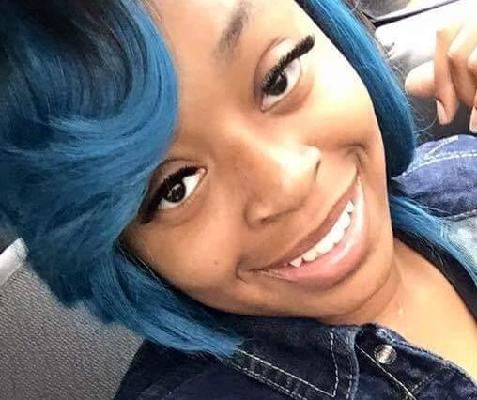
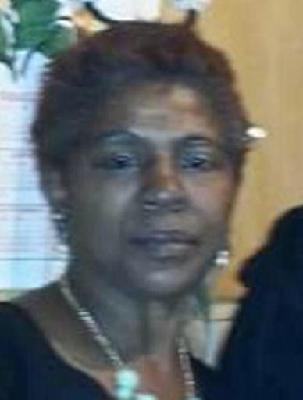
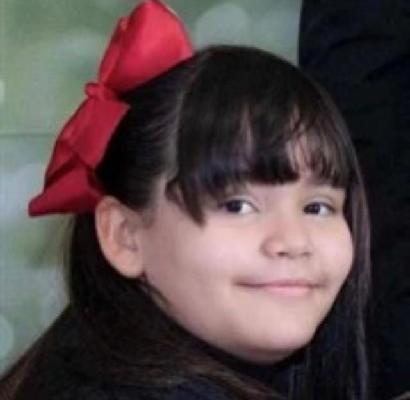
Ashanika “Shanika” Lee, a 43-year-old Black woman, was killed in Milwaukee during the early morning hours of January 8, 2017, after a night out with members of her family. Lee was near North 76th Street and West Florist Avenue, in the area of 76th and Bobolink, when gunfire erupted. She was not reported to have been an intended target. Instead, investigators and later news reports described her as an innocent bystander who was caught in the crossfire of a gunfight and suffered fatal gunshot
wounds.
The scene was chaotic. Milwaukee Police Department records describing the response state that officers were sent to the 5800 block of North 76th Street and could hear gunfire as they arrived. The responding officers encountered numerous people firing shots and moved toward one of the armed individuals, taking him into custody. Although someone was detained during the immediate police response, later reporting makes clear that investigators were unable to establish who fired the bullet that killed Lee, and the person taken into custody was not publicly identified as being responsible for her death.
Lee's death devastated a family that remembered her as deeply devoted to her children and relatives. She was the mother of three and worked in day care. Family members described her as someone whose life revolved around the people she loved. A fundraising appeal created shortly after the killing said she also left behind a granddaughter, parents, a sister, other relatives and friends. Her family said the violence that ended her life was senseless and began asking the public for information that could identify the person responsible.
As the investigation continued, police faced the difficult problem created by a shooting involving multiple people firing weapons. Because Lee was caught in crossfire, determining which firearm discharged the fatal bullet was critical to establishing criminal responsibility. Her relatives publicly appealed not only to the person who fired the fatal shot but also to everyone who had participated in the gunfire that night. One family member emphasized that even someone who did not know whether his or her bullet struck Lee should acknowledge having fired a weapon and cooperate with investigators.
Two years after the killing, Lee's family was still waiting for an arrest. Milwaukee police said the homicide remained under active investigation and that investigators were continuing to search for suspects. Her sister said she was willing to forgive whoever fired the fatal shot but wanted the person to come forward so the family could finally have answers and justice. Relatives continued keeping Lee's memory alive, including organizing a balloon release and prayer gathering at Graceland Cemetery around the anniversary of her death.
Despite the fact that police encountered armed individuals at the scene and detained at least one person during the initial response, available public reporting does not show that anyone was subsequently charged, tried, or convicted of killing Lee. No publicly identified suspect has been tied conclusively to the fatal bullet. The case has continued to be listed among Milwaukee homicide cases, leaving the central question unresolved: among the people who opened fire that January morning, investigators have not publicly established who fired the shot that took Lee's life.