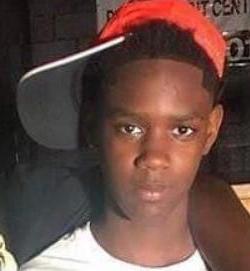
Jose Ortez, a 28-year-old man from Memphis, Tennessee, is referenced online as the victim in a homicide investigation tied to the Memphis Police Department, but the public trail of case-specific reporting is thin. Outside of a source that is not being used here, there are no readily accessible official case summaries, detailed news articles, or publicly posted investigative narratives that clearly describe where he was found, how the fatal encounter unfolded, or what events led up to his death.
What can be gathered from the remaining online footprint is more notable for what is missing than what is present: there are no publicly documented arrests connected to Ortez’s killing, no named suspect or suspects tied to the case in accessible reporting, and no court filings or charging announcements that can be confidently linked to him from the sources reviewed. The absence of those markers suggests either that investigators never identified a viable suspect, or that any leads developed have not resulted in charges made public in a way that is easily traceable online.
In cases like this, silence can become part of the story. A name appears, a life is reduced to a line item, and then the record goes quiet—no press conferences, no wanted posters, no trial dates to follow, no verdict to close the circle. If someone knows why Jose Ortez died, that knowledge has not surfaced in the accessible public record in a way that identifies the person responsible, explains a motive, or shows a path to justice.