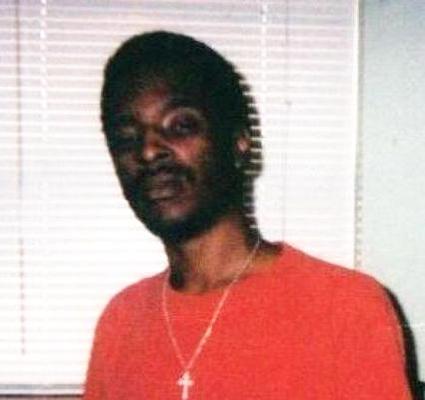
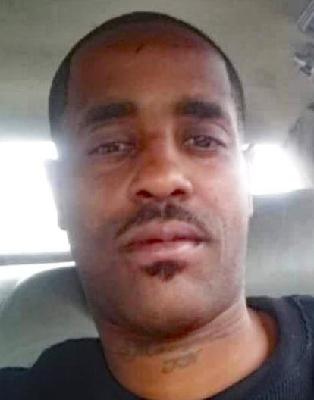
Sean Matthews, a 21-year-old Black man from Memphis, Tennessee, was killed in a homicide, leaving behind a sudden silence where a life had been. The details of what happened in his final moments have not been widely preserved in the kinds of public-facing summaries that often follow high-profile cases, and that absence can be its own kind of cruelty—an empty space where the story should be, where the “why” should live.
In Memphis, unsolved homicides are reviewed by the Memphis Police Department’s Cold Case Unit, a team created to go back through investigations that stalled, re-check what was collected, and see whether new information or new methods can finally push a case forward. The unit’s work is built around revisiting the past with fresh eyes—re-analyzing what’s known, re-evaluating leads, and prioritizing cases based on solvability, even when years have already slipped by.
What the public can see, though, is often only the outer edge of an investigation. Names of suspects, the reasons someone might have been targeted, and the private details detectives learn from witnesses or family are frequently held close—sometimes to protect the integrity of the case, sometimes because there simply isn’t enough to say with confidence. In the materials that are readily accessible, there are no confirmed arrests, charges, trials, or convictions clearly documented in connection with Matthews’ killing.
Beyond local agencies, national advocacy and database efforts try to keep unsolved homicide victims from being reduced to a forgotten file. Some databases compile cases from family submissions, law enforcement submissions, and public records—while also acknowledging that their listings can be incomplete and may not reflect regular updates. That means the public record can remain fragmentary even when a case matters deeply to the people living with it every day.
And so Matthews’ story sits in that difficult place where grief meets uncertainty: a life ended, a city moving forward, and questions that refuse to settle. Cold case work depends on time, persistence, and the one thing an investigation can’t manufacture—someone, somewhere, finally choosing to speak, and giving investigators the detail that turns a lingering mystery into a name, a motive, and a path to justice.