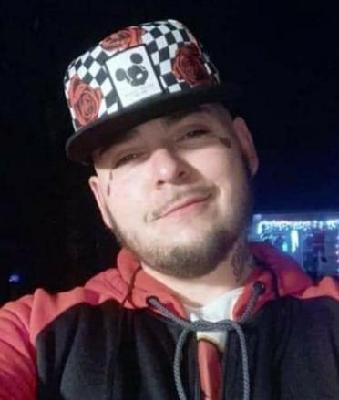
On March 8, 2012, John Shick, a 30-year-old diagnosed with schizophrenia, entered the Western Psychiatric Institute and Clinic in Pittsburgh and began a shooting spree. Armed with two loaded handguns, Shick shot six people, killing 25-year-old therapist Michael Schaab before being shot and killed by University of Pittsburgh police officers. The incident occurred in the Oakland neighborhood, and it took place shortly after Shick was told by UPMC Shadyside Family Health Center that he would no
longer be treated at the facility due to his erratic behavior and threats against staff. This incident was part of a tragic series of events that highlighted systemic failures in the treatment and management of individuals with severe mental health disorders (sources: [37], [39], [41]).
Shick had a history of mental health struggles, dating back several years. He was treated at various psychiatric facilities, including involuntary commitments, and exhibited symptoms consistent with severe mental illness, such as paranoia and delusional thinking. In the months leading up to the shooting, Shick sent increasingly disturbing emails to his parents, displaying erratic behavior, and making unfounded accusations, which reflected his deteriorating mental health. He even threatened staff at his health center with a baseball bat, an incident that led doctors to consider involuntary psychiatric commitment but ultimately resulted in no action being taken due to procedural barriers and a failure to complete the necessary paperwork (sources: [37], [38], [40]).
The aftermath of the shooting led to lawsuits against UPMC and University of Pittsburgh Physicians, with allegations that the health professionals involved in Shick's treatment should have done more to commit him involuntarily. However, both state courts and the Pennsylvania Supreme Court ultimately ruled that the doctors could not be held liable under the state's Mental Health Procedures Act. The courts reasoned that while doctors had considered committing Shick, they did not fulfill the legal requirements to initiate an involuntary emergency examination, and thus could not be held responsible for the subsequent tragedy. This ruling, while legally grounded, sparked debates about the balance between civil liberties and the need for intervention in cases involving severe mental illness (sources: [37], [38]).
The incident at Western Psychiatric highlighted broader systemic issues within the U.S. mental health care system, particularly the difficulty of securing treatment for individuals with severe mental health needs. The lack of inpatient psychiatric beds, strict commitment laws, and inadequate follow-through on psychiatric recommendations contributed to the tragedy. Mental health professionals and commentators have pointed out that such gaps in care are part of a larger crisis in American psychiatry, which often results in individuals with severe illnesses not receiving the treatment they desperately need, sometimes leading to devastating consequences for both the patients and the broader community (source: [39]).