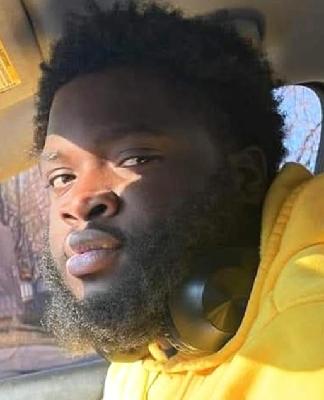
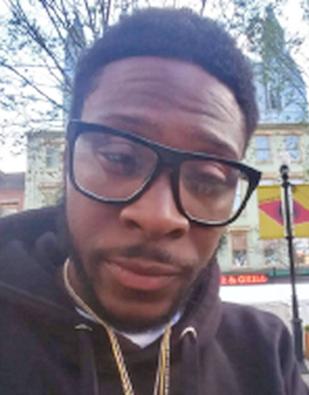
Antwann Smith, aged 19, was tragically killed on September 16, 2013, in the Homewood neighborhood of Pittsburgh. Around 9 p.m. that evening, Antwann was found dead in front of a house on Mt. Vernon Street, riddled with multiple gunshot wounds. Witnesses were present at the scene, but the prevailing fear of being labeled a "snitch" has prevented many from coming forward. This fear has been a significant barrier to justice, and as of now, no one has been charged for the killing of Antwann.
The community remains engulfed in a culture of silence and mistrust towards law enforcement, a situation seen in many of Pittsburgh’s most vulnerable neighborhoods.
Antwann’s family, particularly his grandmother Carol Speaks, believes that his death may have been an act of retaliation. The incident escalated from a long-standing feud that began years earlier after Antwann wrote a song mocking a school fight, which sparked further violence. Just days before Antwann was killed, Carol’s son, Jason Haddock, was involved in another shooting incident in Homewood, critically injuring a jitney driver in an altercation targeting someone else. These cycles of violence have deeply affected the family, resulting in multiple losses. Carol has since emphasized the emotional pain of waiting for the coroner—an experience she has now endured more than once.
The broader context of Antwann Smith’s death reflects the tragic disparity in Pittsburgh, where the city's racial and economic divides are starkly visible. Homewood and other similar neighborhoods have suffered chronic violence, in stark contrast to more affluent areas like Shady Side and Point Breeze, which have seen no murders during the same period. This geographic and racial divide is indicative of the deeper socioeconomic issues that plague Pittsburgh, with economic barriers contributing to a climate where young Black men are disproportionately affected by violence. Despite Pittsburgh’s branding as a "most livable city," the realities in neighborhoods like Homewood suggest otherwise for many of its Black residents.
In an effort to keep the memory of Antwann alive and push for justice, his family has held vigils on the anniversaries of his death. At these events, community members, friends, and family have gathered to remind the authorities and neighbors not to forget Antwann. Unfortunately, even these peaceful commemorations have sometimes been marred by violence—on one anniversary, a vigil was interrupted by gunfire, further illustrating the entrenched cycle of violence in the community.
Carol, along with many other residents, hopes that justice will eventually be served for Antwann and others who have been victims of violence in Pittsburgh. Until then, the community remains a place where some neighborhoods enjoy safety and prosperity while others are left to deal with constant fear, inequality, and loss.