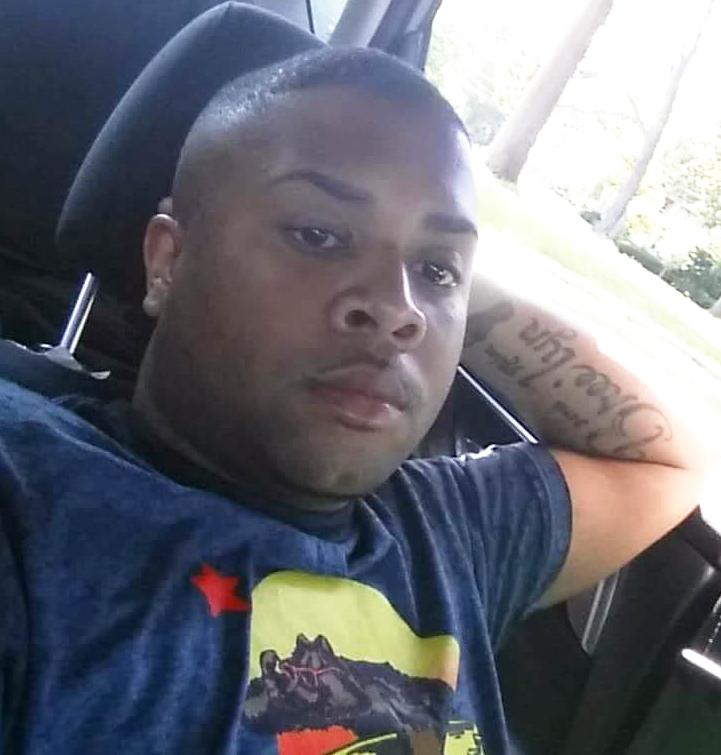
James Swanson, a 28-year-old resident of Pittsburgh, Pennsylvania, was fatally shot on July 4, 2016. The incident occurred in the Fineview neighborhood, one of the city’s areas with a higher rate of violent crime. Swanson’s homicide, like many others in the region, has not yet seen an arrest. Fineview and other neighborhoods in Pittsburgh have long struggled with systemic challenges tied to violence, exacerbated by issues such as poverty, social instability, and a lack of community trust in
law enforcement. These systemic issues contribute to the cycle of violence in these neighborhoods, making it difficult to reduce the occurrence of tragic incidents like Swanson's death.
In Allegheny County, where Pittsburgh is located, homicide rates have been examined extensively. Data reveals that gun violence and retaliatory conflicts between young men in marginalized communities are often catalysts for these incidents. Studies have shown that in these areas, individuals, particularly young men, are at high risk for either perpetrating or falling victim to gun violence. They often come from homes where there is a history of criminal activity, substance abuse, or previous victimization, and they tend to experience significant social pressures and traumas that make them more vulnerable to violence. Swanson's death fits into this broader pattern of interpersonal violence that affects communities like Fineview and other parts of Pittsburgh and Allegheny County, where persistent socioeconomic difficulties create an environment conducive to such violence.
The cycle of violence in Pittsburgh also significantly impacts the community beyond just the immediate victims and offenders. It reduces community cohesion, discourages economic development, and adversely affects the mental and physical health of residents. This, in turn, limits the community's ability to progress, perpetuating a cycle that keeps violence a persistent issue. In neighborhoods like Fineview, gun-related homicides are often the result of personal disputes that escalate into retaliatory violence, and there is a prevalent lack of trust in authorities to mediate such disputes effectively. Unfortunately, this environment, combined with the ready availability of firearms, continues to result in tragedies like the one experienced by Swanson and his family.
Despite the challenges, the Pittsburgh community and local authorities have been working to address the root causes of violence through various interventions. Efforts to engage young people, provide educational support, and address issues like substance abuse are all part of ongoing strategies to reduce violence. Nevertheless, the homicide of James Swanson is a stark reminder of the work that still needs to be done to create safer, more resilient communities in Pittsburgh and similar cities facing persistent issues of urban violence.