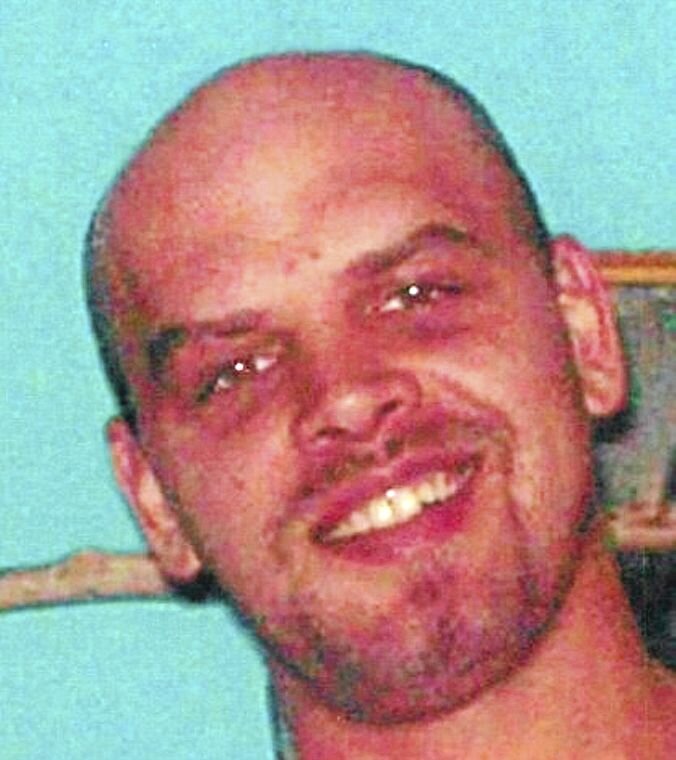
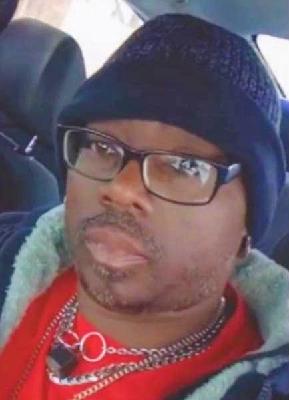
Do you know who murdered Montgomery? Montgomery Eugene Boyd was a 23-year-old man from Tulsa, Oklahoma, whose life ended violently in the summer of 1985. Born in April 1962, he had reached the beginning of adulthood by the mid-1980s, old enough to be carving out his own path while still close in years to the high-school image that appears in a later memorial, taken roughly a decade before his death.
On July 3, 1985, Boyd spent part of his day in a familiar neighborhood setting on the north side of Tulsa, gathered with friends in front of a home at 525 East Tecumseh Street. It was the kind of casual summer get-together that unfolds on front lawns and sidewalks, a small group standing outside and talking as the day slipped toward night. According to police and later cold-case summaries, Boyd was among those clustered outside when danger arrived without warning.
At some point during that gathering, an unknown person or group of people opened fire on the crowd. Reports describe shots being fired into the cluster of friends from outside their circle, striking Boyd and turning an ordinary evening into chaos. Witness accounts summarized in cold-case write-ups indicate that the gunfire likely came from a passing vehicle, suggesting a drive-by style attack that left little time to react, no clear view of the shooter, and no immediate understanding of why the gathering had been targeted at all.
Boyd was hit by at least one of the bullets and suffered a gunshot wound severe enough to be fatal. Police and emergency responders could not undo the damage the sudden barrage had inflicted; he died as a result of that wound, one victim among many such unsolved shootings that plagued urban neighborhoods in that era. Later records show that he was laid to rest in Blackjack Cemetery near Taft in Muskogee County, a burial far quieter than the violent circumstances that brought him there.
In the aftermath, detectives with the Tulsa Police Department opened a homicide investigation, collecting what evidence they could from the scene and from the shaken friends and relatives who had been present when the shots rang out. But the very factors that made the attack so terrifying—its suddenness, the use of a vehicle, the lack of a clear confrontation beforehand—also made it extremely difficult to solve. Decades later, official listings still describe the assailant or assailants simply as “suspect ” with no publicly released names or descriptions that have led to an arrest.
Over time, Boyd’s case moved from an active investigation into the realm of cold cases, preserved in databases and on memorial pages that record only the bare contours of what happened: a young man, a front yard in Tulsa, a group of friends, and a sudden burst of gunfire from the dark. The Tulsa Police Department retains the case in its Cold Case Unit and continues to appeal for information from anyone who might know who was in that vehicle or who ordered the shots, while independent cold-case and true-crime projects echo that call, underscoring that the homicide remains unsolved.
No public record from law-enforcement summaries, cemetery and memorial databases, or cold-case organizations indicates that anyone has ever been arrested, charged, or officially named as a suspect in Montgomery Eugene Boyd’s killing. Instead, his story endures as a brief but haunting entry in multiple cold-case rolls: a young man standing with friends outside a Tulsa home when anonymous gunfire shattered the night, leaving a grieving family and a lingering question about who pulled the trigger and why.