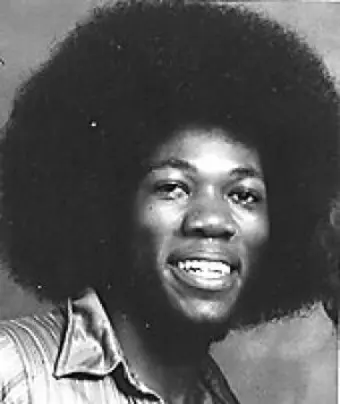
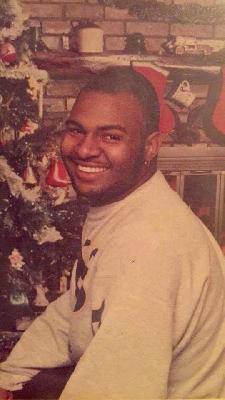
Do you know who murdered Ricky? Ricky Dale Krater, a 37-year-old white male from Tulsa, Oklahoma, lived most of his life in the city where he was born in 1958 and where he would ultimately meet a violent end. Public records place him firmly in Tulsa from birth to death, and later memorials note that he served in the United States Army from 1979 until 1983 before returning to civilian life and remaining in his hometown.
On the night of January 8, 1996, the routine quiet around East 6th Street was shattered.
Friends searching the alley that runs behind 812 East 6th Street in Tulsa came upon a scene they could never have anticipated: Krater lying in the alleyway, gravely wounded. It was about 10:53 p.m. when they found him, and by the time they reached him he was already beyond help. Responding officers documented that he had suffered numerous gunshot wounds, injuries so severe that his death was immediate and unmistakably the result of a deliberate attack rather than an accident or medical emergency.
The alley behind 812 East 6th Street quickly turned into a crime scene under the glare of emergency lights. Detectives worked the area, aware that whatever had happened had occurred in a narrow window of time before his friends arrived and found him. Early descriptions of the case note that Krater’s death was immediately classified as a homicide brought about by multiple gunshots, yet even in those initial hours there were no obvious witnesses stepping forward to name an assailant, and no clear narrative about how he had been lured or driven to that spot. Public summaries of the case focus on the brutality of the attack rather than any concrete lead, suggesting that from the outset investigators were confronted with a scene that offered few answers.
In the months and then years that followed, the case cooled without a breakthrough. No one has ever been arrested or charged in connection with Krater’s killing, and publicly available records consistently state that investigators did not identify a clear suspect or motive for the shooting, leaving the homicide officially unsolved. His name appears in compilations of Tulsa County homicides and on dedicated cold case listings, where brief entries repeat the same stark details: the January night, the alley on East 6th Street, the multiple gunshots, and the absence of justice.
Decades later, the echoes of that night remain in the way Krater’s story is preserved. Advocacy and cold case organizations still highlight his homicide, urging anyone who might know what happened in that alley to contact the Tulsa Police Department’s Cold Case Unit. The continued presence of his case on these public platforms serves as both a memorial and a plea, a reminder that behind the brief summaries and dates was a lifelong Tulsan whose final moments were spent alone in a dark alley, and whose killer or killers have yet to be named.