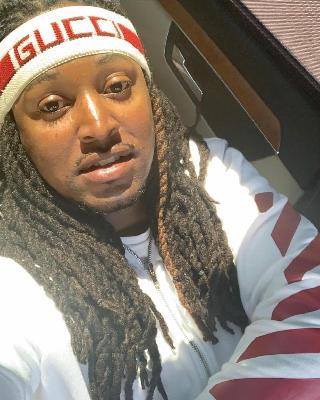
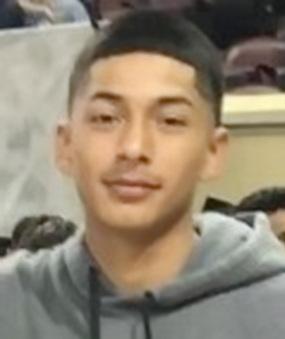
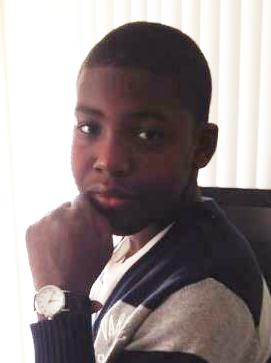
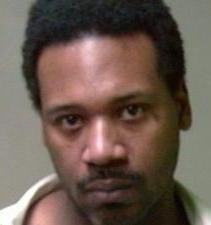
Kascey McClellan was a 19-year-old African American man from Oklahoma whom friends knew by the nickname “Kayswiss.” Born on September 29, 1988, he grew up into young adulthood with the promise and restlessness that often mark the late teenage years, moving through the familiar rhythms of friends, music, and late nights. In February 2008, that life was abruptly derailed, and within days he would be laid to rest at Snake Creek Cemetery in Bixby, Tulsa County, after violence in Oklahoma City
ended his story far too soon.
On February 9, 2008, McClellan went out to Club Zax, a nightclub on Classen Boulevard in Oklahoma City. Sometime outside the club, an altercation unfolded and spilled toward the parking lot, the kind of confrontation that might, on another night, have ended with raised voices and people drifting back to their cars. Instead, gunfire erupted. Reports later described a six-shot barrage in the parking area outside the club, and McClellan was struck multiple times. He was one of the city’s young nightlife crowd, but in an instant he became another victim of the gun violence that had begun to shadow Oklahoma City’s club scene. He was initially reported as having been shot on February 9 outside Club Zax, and sources indicate that he succumbed to his injuries later that month, dying in hospital after days of struggle.
In the immediate aftermath, detectives tried to piece together what had happened in the dimly lit parking lot: who had argued with whom, who had pulled a weapon, who had run when the shots rang out. But contemporary accounts noted that investigators were working with few solid leads; witnesses were scarce or reluctant, and the chaos outside the club left more questions than answers. McClellan’s killing quickly became part of a broader conversation about violence around Oklahoma City nightclubs. City councilman Skip Kelly cited the shooting as he pressed for tougher nuisance and abatement tools that would let authorities better police clubs tied to repeated calls for service, shootings, and disorder. In press coverage about nightlife legislation, McClellan’s case was held up as a tragic example: a young man gunned down in a club parking lot, one of hundreds of calls and several shootings that had drawn police to the city’s nightlife hotspots in just a few years.
Over time, the official record of the case came to reflect both the intensity of the initial investigation and its frustrating limits. Case summaries now list his homicide as unsolved, even while they point to past reporting that police once arrested a man named Brian Keith Manuel in connection with a 2008 fatal shooting and to later coverage about three Oklahoma City homicide cases being dismissed in court. Taken together, these references suggest that although a suspect was, at one point, taken into custody, the legal proceedings did not end in a lasting conviction, and the case ultimately slipped back into the unresolved column. Today, McClellan’s name appears on cold case-style listings, his age fixed forever at nineteen, his nickname “Kayswiss” echoing through brief memorial entries and case write-ups, while his family and community are left with a story that trails off mid-sentence: a night at a club, an argument in a parking lot, six shots, and still no final answer about who, definitively and legally, is responsible for his death.