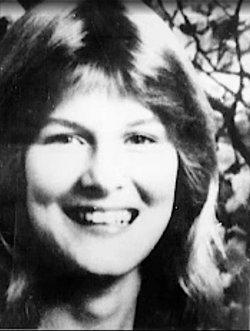
Delola Hammond, 41, a Caucasian woman, spent the last evening of her life inside the Oklahoma City home she shared with her husband, David, on June 30, 2009. Born in December 1967, she would later be remembered in brief online memorials that fix her life between those dates, a quiet span of years ending abruptly on a summer night that became the focus of a homicide investigation.
That night, emergency responders were called to the house after a shooting.
When officers arrived, they found Delola mortally wounded; the violence had unfolded entirely within the walls of her own home in Oklahoma City. Her husband told police that two unknown men had forced their way inside and shot her during what he described as a home invasion, a story that cast him as a survivor of a sudden, senseless attack and shifted attention toward faceless intruders somewhere out in the city.
As detectives began to examine the scene, however, the details of that account started to fray. A search of the bedroom uncovered a gun holster lying on the floor, and David could offer no convincing explanation for why it was there, an early and troubling disconnect between his version of events and the physical evidence in front of investigators. Outside the house, officers discovered firearms hidden in a trash can; when those weapons were tested, one was matched to a shell casing recovered where Delola had been shot, directly linking a discarded gun by the home to the killing itself and further eroding the plausibility of the intruder narrative.
With each new piece of evidence, the idea of a random home invasion gave way to a more intimate and unsettling picture. The lack of corroboration for unknown assailants, the unaccounted-for holster in the bedroom, and the weapon stashed in the trash all pointed back toward the household rather than to strangers slipping away into the night. Investigators and prosecutors ultimately framed the case as an act of domestic violence followed by an attempt to disguise the truth, presenting a story not of an unlucky family targeted by outsiders, but of a killing that began and ended within a troubled marriage.
In 2011, after living for years under the shadow of the accusations and the mounting evidence, David Hammond stood in court and admitted responsibility by pleading guilty to second-degree murder as part of a plea agreement. He was sentenced to a 35-year term of imprisonment, with 10 of those years suspended, a punishment that reflected both the irreversible loss of Delola's life and the gravity of trying to mislead authorities with a fabricated account of masked intruders. Later summaries of the case describe her death as the culmination of escalating conflict inside the relationship, and with his conviction and sentence, there were no lingering questions about other suspects: the only person ever publicly identified and held accountable for the shooting was the man who had once claimed strangers were to blame.
What remains in the public record today is spare but stark—a date of birth and death, a short memorial notice, a brief case summary noting a fatal shooting in a family home, a husband's unraveling story, and a long prison sentence. Behind those few lines is the story of a woman whose life ended where she should have been safest, and of investigators who followed small contradictions and discarded weapons until a supposed tale of random violence resolved into the painful reality that the danger had been inside the house all along.