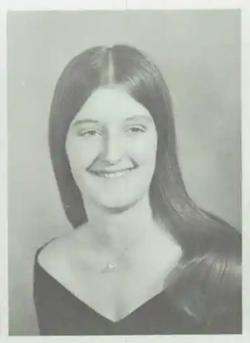
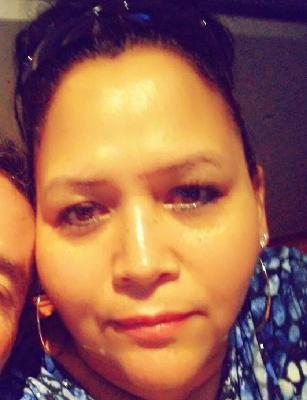
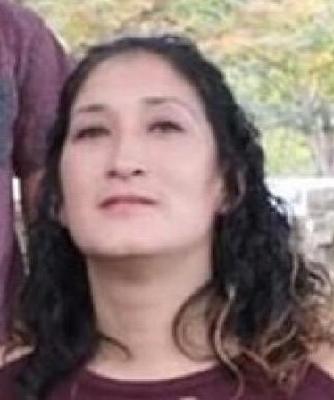
Roberta Kay Hill was a 43-year-old white woman living in Oklahoma City, Oklahoma, whose life began on August 26, 1966, in Fresno County, California, before she eventually made her home on the southern plains and built an adult life rooted in both work and personal connections in that city. Over the years she became part of the fabric of Oklahoma City, moving through the ordinary rhythms of adulthood while her family history and earlier years remained tied to distant California.
On September 5, 2009, Roberta was found dead inside her home in Oklahoma City, a sudden and unexplained end that turned a private residence into the center of a police investigation. In public case listings, her death is labeled “Death by Force,” yet the accompanying description stresses that the specific cause of death has not been clearly established or made public, leaving even basic questions about what exactly happened unanswered. The date her body was found is recorded as September 5, 2009, matching the official accounting of her death and fixing that early September day as the point at which her quiet, everyday life abruptly intersects with the world of unsolved cases.
What followed was an investigation that, according to later summaries, proved difficult for law enforcement, with few details released and little information ever reaching the public record. The case entry notes that the investigation has not yielded significant progress since the time of her death, and the file is still marked as unsolved, even after being updated as recently as 2025. There is no indication in the accessible record that authorities have announced any arrests or formally named a suspect in connection with her death; instead, Roberta appears in modern databases as one more open case among Oklahoma City’s unresolved violent deaths, preserved mainly through terse data fields and a brief narrative that emphasizes how little is definitively known.
After her death, Roberta was buried at Resurrection Memorial Cemetery in Oklahoma City, placing her final resting place not far from the community where she had lived and where the unanswered questions about her last day still linger. Her grave marker, with its simple dates and name, tells a straightforward story of years lived and a life concluded, but it is the official case listings that hint at the unresolved nature of her passing, noting an unsolved file, a death by force, and a cause that remains publicly undefined. In that combination of burial record and unresolved case entry, Roberta endures as more than a name on a headstone: she is a person whose life crossed two states and ended behind the walls of her own home, with the truth about her final moments still locked away in an investigation that, at least in the public eye, has yet to deliver answers.