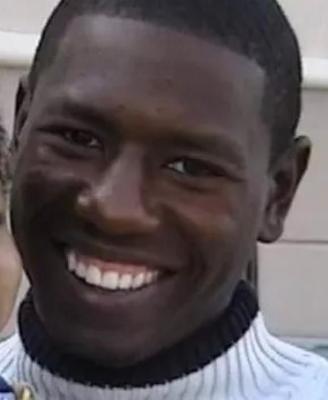
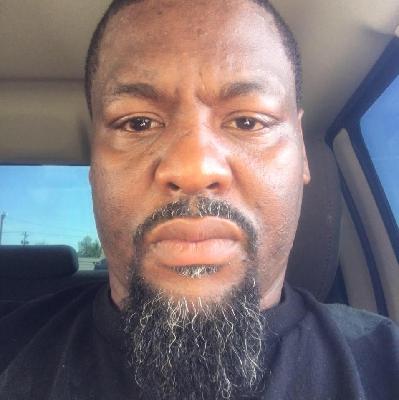
On the evening of June 30, 2012, 30-year-old Tracy Shane Williams Jr., an African-American man from Oklahoma City, went to visit his cousin at the Sooner Haven Apartments on the northeast side of the city. The sprawling public housing complex, a mix of apartments and houses operated by the Oklahoma City Housing Authority, sits along Northeast 36th Street, just east of downtown, and had long been home to families trying to build stable lives in an area that also struggled with crime and poverty.
That night, the visit was meant to be ordinary—just time with family as the summer heat settled over the neighborhood.
Sometime later that evening, gunfire shattered the routine sounds of the complex. Around 9:50 p.m., police were called after Tracy was found shot behind one of the apartment buildings at Sooner Haven, near Northeast 36th Street and North Prospect Avenue. First responders rushed him to OU Medical Center, the major trauma hospital a few miles away, but his wounds were too severe; despite emergency treatment, he was pronounced dead a short time after arriving. In a matter of minutes, what had begun as a family visit had become a homicide scene lit by flashing patrol lights and crime-scene tape.
Detectives quickly began canvassing the complex, but even in those first public reports, police acknowledged they had no suspect to point to. Investigators appealed for help from anyone who might have seen or heard something, asking callers to reach the department’s homicide tip line while they processed the scene behind the apartments and tried to reconstruct the moments leading up to the shooting. The Sooner Haven community was already under scrutiny; city leaders had described it as a persistent trouble spot, with hundreds of police calls and several shootings in a single year, and one Oklahoma City councilman even pushed for a Department of Corrections parole substation to be placed on the property in an effort to curb violence there.
Tracy’s killing unfolded against the backdrop of one of the deadliest years in modern Oklahoma City history. In 2012 the city recorded 99 homicides, a dramatic jump from the year before and its highest total in decades, a spike that police officials linked in part to rising gang-related violence. By the end of that year, roughly 29 percent of Oklahoma City’s homicides were still unsolved, leaving dozens of families without answers; local reporting on cases from that period repeatedly underscored how Tracy’s death was one of many killings that never resulted in charges. His case, noted in later summaries of 2012’s unsolved murders, came to symbolize not just a single loss but part of a broader crisis of violence and unresolved grief in the city.
For Tracy’s family, the loss was deeply personal long before it became part of any statistic. Public records compiled years later note that he left behind four children, with another on the way at the time he was killed, a detail that sharpened the sense of a life cut short and a future abruptly taken from those who depended on him. While Oklahoma City’s Cold Case Unit continues to work unsolved homicides—re-examining files, checking for new leads, and re-contacting potential witnesses—no arrest or publicly identified suspect has ever emerged in connection with Tracy Shane Williams Jr.’s shooting, and the case remains officially open.