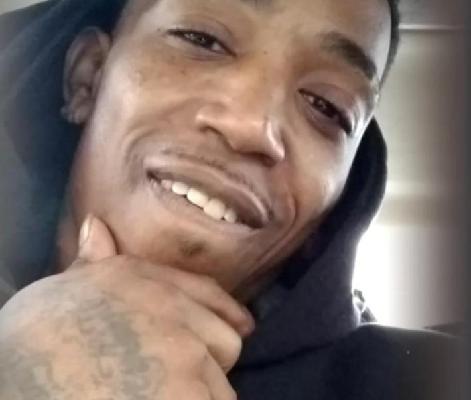
Lawrence Tingle, a 46-year-old African-American man, was spending a quiet weekend at his home in the small community of Spencer, just northeast of Oklahoma City, when his life was suddenly and violently taken on Sunday, November 10, 2013. That morning, his adult daughter grew worried when she couldn’t reach him and went to the house, located on the 11800 block of East Wilshire Boulevard near the border between Spencer and Oklahoma City.
Around 10:30 a.m., she found her father lying dead inside the home and called authorities, setting in motion a homicide investigation that has now stretched on for years without resolution.
When police and crime scene investigators arrived, they were confronted with a deeply unsettling scene. The interior of the house had been ransacked, drawers and belongings pulled out and scattered, suggesting that whoever entered had rummaged through the rooms, possibly searching for something of value or attempting to stage the scene. Officers noted visible trauma on Tingle’s body, yet they declined to reveal publicly exactly how he had been killed. The cause and specific manner of death have never been released, even as authorities have consistently classified the case as a homicide. Detectives spent close to ten hours at the residence that day, methodically combing through the small home for evidence, documenting the rooms, and collecting anything that might later point to the person or people responsible.
Outside the crime scene tape, the loss reverberated through his family. Relatives described Tingle as a father of six and a grandfather, someone who might have carried a tough exterior but who was, in the words of his brother Anthony, deeply loved and important to many people in their community. In interviews with local media, Anthony spoke of his shock and confusion, saying he could not understand why this had happened or who would want to hurt his brother, and expressing frustration that the family was getting so few answers in the early hours of the investigation. The grief was made heavier by the mystery: there had been no warning, no known threats, only the sudden, brutal discovery that their loved one was gone.
For investigators, the ransacked home and the undisclosed injuries suggested a violent, targeted act, but they have never shared any firm theories with the public. From the outset, Oklahoma City police treated the death as a probable homicide and asked anyone with information to come forward. Yet they did not identify any person of interest by name, and they made no announcements about arrests in the days, months, or years that followed. Databases and nonprofit cold case listings in Oklahoma continue to describe the case as unsolved, noting only that Tingle was found murdered inside his Spencer home and that crucial details, including the method of killing, remain withheld from the public record.
Today, more than a decade later, the story of Lawrence Tingle’s death remains frozen at those first grim facts: a devoted father and grandfather discovered by his daughter on a Sunday morning, a small house on East Wilshire Boulevard left in shambles, and a family still without answers. Official summaries continue to call for information from anyone who might know what happened inside that ransacked home on November 10, 2013, underscoring that no suspect has ever been publicly identified and no one has been brought to justice for the killing. The passage of time has done little to ease the loss for those who loved him, and his name endures on cold case rolls as a reminder of a life violently cut short and an investigation still waiting for the piece of information that could finally break it open.