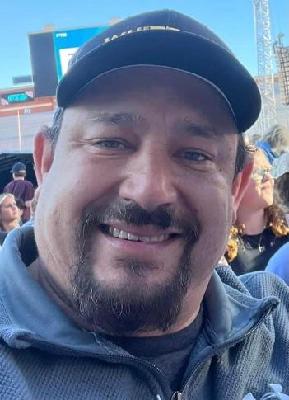
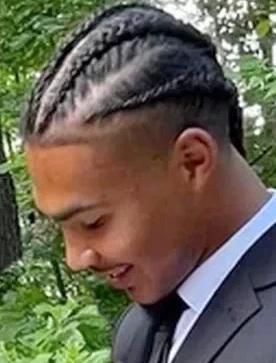
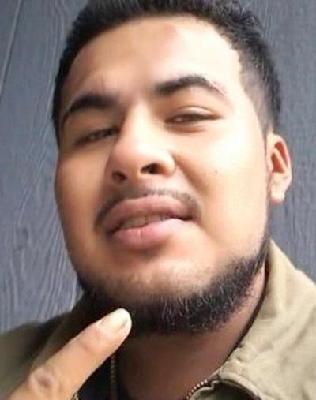
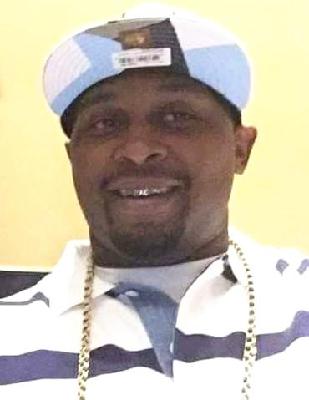
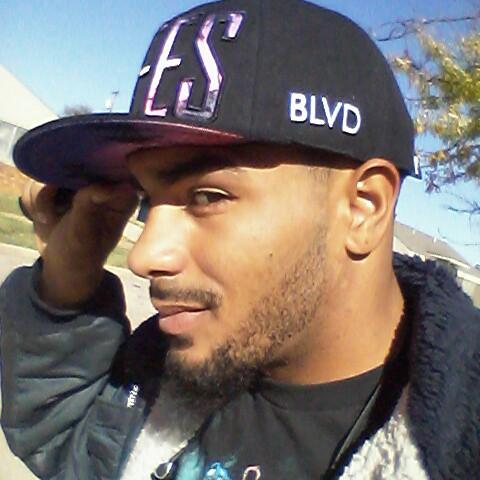
On January 19, 2015, 22-year-old Cesar Giovanni Lara-Flores, a male resident of Oklahoma City whose race was recorded in case summaries as “Other,” crossed paths with lethal violence on the southwest side of the city. What began as another winter day ended with his name added to the city’s growing roll of young people lost to gunfire, a stark reminder of the broader struggle with shootings that has weighed on Oklahoma City in recent years.
The fatal encounter unfolded during an altercation that did not de-escalate. At some point in that confrontation, a weapon was produced and shots were fired, striking Lara-Flores and leaving him mortally wounded. The shooting transformed an ordinary stretch of southwest Oklahoma City into a crime scene, with flashing lights and police tape encircling a place that, only hours earlier, had been part of the everyday rhythm of the neighborhood.
When officers arrived, the focus immediately shifted to understanding how a dispute had ended in a young man’s death. Investigators began the methodical work of piecing together the events of the evening—talking to witnesses, gathering physical evidence, and retracing Lara-Flores’s final movements. From early on, it was clear that more than one individual was implicated in what had happened. Police quickly identified multiple suspects connected to the shooting and pushed forward to build a coherent narrative of who was present, who pulled the trigger, and how the conflict had escalated to violence.
In the days that followed, the case moved rapidly from chaos toward resolution. Two suspects were taken into custody, and soon afterward a third person was arrested, with local coverage describing that development as the “third person arrested for murder” following the deadly Oklahoma City shooting. With three suspects in hand, detectives were able to fill in critical gaps in the timeline and clarify each person’s alleged role in the altercation that led to the shots that killed Lara-Flores. Public homicide records and case summaries now list the case as solved, indicating that the individuals investigators believe were responsible did not remain unidentified or at large.
For those who knew Lara-Flores, however, the label “solved” can only address the legal side of the story. His death on that January day left behind grief and unanswered questions about why an argument ended with a young man’s life cut short. The shooting on the city’s southwest side stands as a painful illustration of the human cost behind statistics on gun violence: a 22-year-old whose future was abruptly taken, a neighborhood forced to grapple with sudden loss, and a community reminded that, even when arrests have been made and a case is formally closed, the impact of a single act of violence can linger for years.