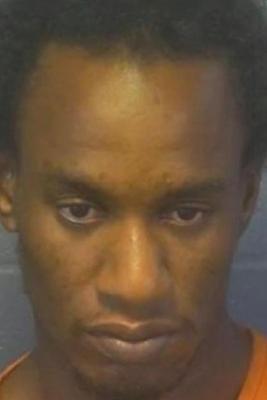
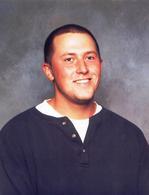
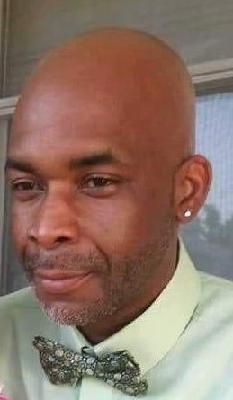
Do you know who murdered Christian Estrada Tovar? In the dark, quiet hours just before dawn, around 4:40 a.m., neighbors along the 900 block of Southwest 24th Street, near South Western Avenue, were jolted awake by the crack of gunshots outside their homes. They stepped out into the early-morning stillness of the neighborhood to find chaos settling over an ordinary front yard. When police arrived, they found Cristian lying in the grass, mortally wounded from gunfire in the yard of a residence on that block.
There was nothing medics could do; he was pronounced dead at the scene, his home street suddenly transformed into a crime scene marked off by tape and patrol cars’ flashing lights. The killing was another blow in a year already marred by violence, officially recorded as the 23rd homicide in Oklahoma City in 2016.
In the immediate aftermath, the circumstances of Cristian’s death were unsettlingly vague. Neighbors could only tell investigators what they had heard: gunshots ripping through the pre-dawn quiet, then the silence that followed. There were no public reports of a clear confrontation on the lawn, no detailed description of a fleeing car or strangers arguing in the street, at least not in the early coverage that reached the wider community. For a time, the case existed in that familiar, frightening space where a life has been taken, but no one outside the investigation can yet see the shape of what truly happened or why. Local news reports emphasized that police had not made any arrests in the hours and days immediately following the shooting, and appeals went out for anyone with information to contact the homicide tip line or Crime Stoppers.
As detectives worked the case, the name that would come to dominate the investigative narrative emerged: 19-year-old Curlton Panoske. Months after the shooting, the Oklahoma County District Attorney’s Office accepted a first-degree murder case against Panoske, tying him directly to the killing on Southwest 24th Street. News reports describe him as already being held in another jail on an unrelated matter when authorities announced that he had been charged in connection with Cristian’s death. The formal charge linked the quiet front yard where Cristian was found to a suspect now facing the most serious accusation under state law, and marked the case as one that, at least from the perspective of law enforcement, had moved from a faceless act of violence to a homicide with a named suspect.
Cristian’s killing, while one among many in the city that year, left a particular imprint on those who followed it. Local and national gun-violence memorial sites recorded his name, age, and the date and place where he died, inviting the community to remember him not just as another case number, but as a person whose life ended suddenly on a familiar street. The homicide entries that preserve his story emphasize the tragedy of a young life cut short in his own neighborhood and the sense of unease that follows when gunfire erupts where families sleep. Though public reporting focuses largely on the circumstances of the shooting and the charges against Panoske, together these fragments sketch a stark story: a young adult stepping into what should have been an ordinary Sunday morning, a neighborhood awakened by violence, and an investigation that ultimately pointed to a single suspect now facing the weight of a murder charge for the death that shattered that quiet block in southwest Oklahoma City.