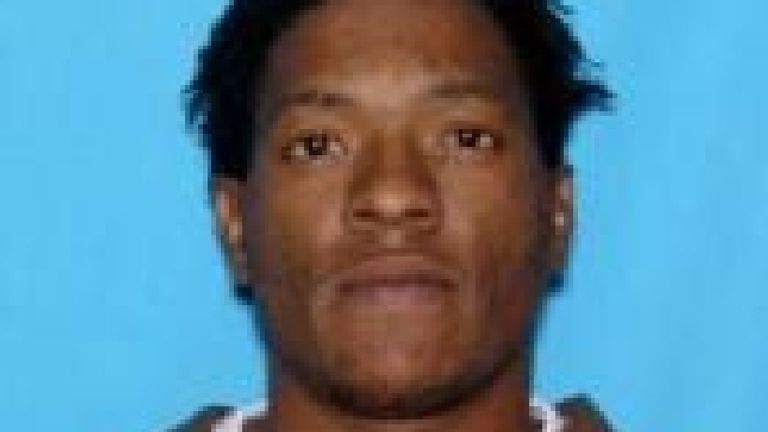
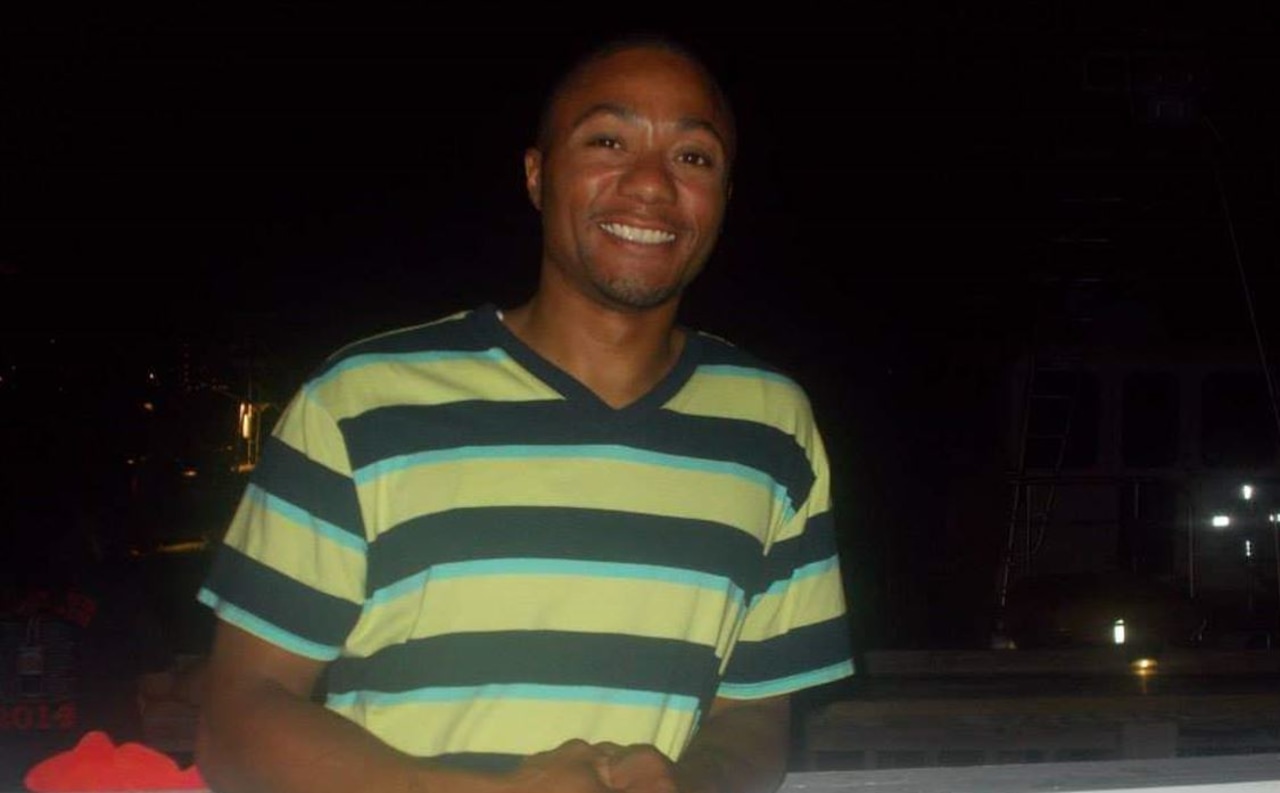
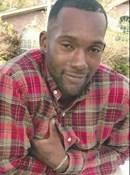
Victor Lakeith Cunningham, 28, was a Black man from the Birmingham area whose life ended on March 5, 2012, leaving behind a family that expected him home and a city that soon realized it had more questions than answers. He worked for the City of Birmingham Public Works Department and was part of the True House of Prayer Missionary Baptist Church, the kind of steady routine that made the violence that followed feel even more jarring.
That night, he was riding with a friend after leaving the area near Platinum Nightclub, headed back toward a house on Garden Street. The drive should have been the final quiet stretch of the evening, but investigators said the danger was already close—either trailing them or lying in wait. As the vehicle turned into the driveway, gunfire erupted. Cunningham, seated in the passenger seat, was struck and killed in the sudden burst of shots, an ambush that lasted only moments but changed everything that came after.
In the confusion that followed, the only clear movement was a getaway: neighbors reported seeing a white, compact car speeding away from the scene, but the make and model weren’t known. Detectives publicly acknowledged they had few solid clues, and the case quickly took on the heavy stillness of an unsolved homicide—one of those stories where the most important piece is what someone else saw, heard, or understood in the seconds before and after the shots.
As weeks passed, Cunningham’s death was mourned in the familiar ways—through services, memories shared by family, and the listing of the people who would carry him forward in their lives, including his children and close relatives. Yet the criminal investigation remained pointed outward, searching for a name to attach to the car, to the gunfire, to the decision to pull up behind a driveway and open fire. Public appeals urged anyone with information to come forward, emphasizing anonymity and the hope that a tip might finally put a suspect in custody.
No arrests or named suspects were described in the available reports, and the shooter’s identity was still presented as unknown in the information released publicly about the case. What remained were the fragments investigators shared—where he’d been, where he was headed, the flash of a white compact car disappearing down the street—and the insistence that somewhere, someone knew more than they had said.