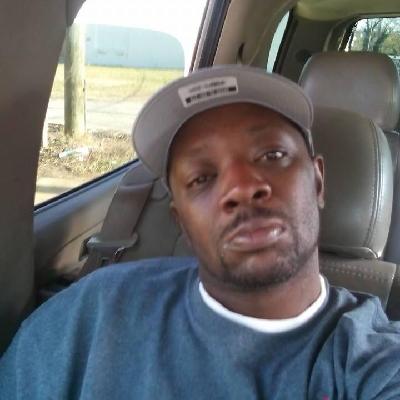
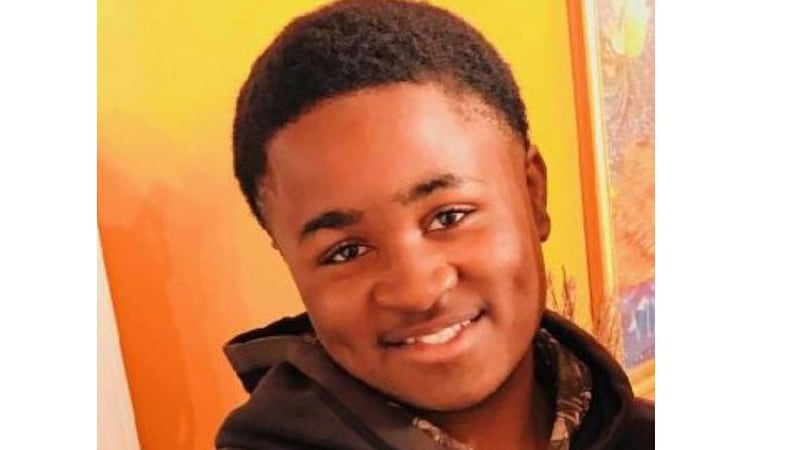
Rodney Johnson, a 19-year-old Black male from the Birmingham area, died on October 29, 2012, after a shooting that left him mortally wounded inside a vehicle in southwest Birmingham. That night, according to Birmingham police, officers noticed a white vehicle moving fast, weaving through traffic, and running a red light before it was stopped in the 1900 block of Woodland Avenue. When officers approached, they found Johnson inside with a gunshot wound.
Fire and rescue crews rushed him to UAB Hospital, but he was pronounced dead shortly after arriving. An obituary published days later identified him as Rodney Nigel Johnson Jr. and said he was of McCalla.
What made the case especially haunting was the way the shooting seemed to unfold in motion, with confusion still hanging over the final minutes of Johnson’s life. Police said the white vehicle had several bullet holes in the trunk and rear bumper, and investigators believed one of the rounds came through the back of the car and struck him. While detectives were working that homicide scene, another call came in from nearby Lomb Avenue and 12th Street Southwest, where a woman reported that someone had also fired several shots into her vehicle as she drove in the same general area. She was not hurt, but the second shooting suggested a chaotic burst of gunfire in west Birmingham that night and left investigators trying to piece together where the violence had begun and who had opened fire.
In the weeks that followed, police publicly acknowledged how little they had pinned down. The department said investigators were still trying to determine the original location of the shooting, and a Crime Stoppers appeal released in November 2012 asked the public a direct question: who killed Rodney Johnson? The appeal underscored that detectives believed people in the community knew more than they were saying. It also made clear that Johnson’s death had not come at the end of a straightforward traffic stop, but rather after a violent episode that was already in progress before officers ever pulled the car over.
As for arrests or suspects, the online public reporting I found does not identify any named suspect in Johnson’s killing, and the Birmingham homicide listings and police accounts available online continue to describe the case as one with no arrest. In other words, the trail that can be followed through public sources leads back to the same grim ending: a young man shot in a car, a rushed trip to UAB, investigators searching for the starting point of the gunfire, and a homicide that, in the reporting available online, remained unsolved.