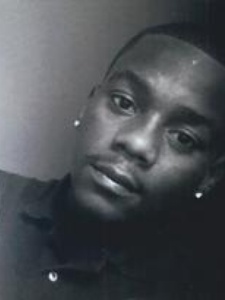
In the spring of 2004, Claude Etienne was a young man of 26 navigating his life in Boston, Massachusetts. A member of the city's Black community, he was at an age of promise and potential, with decades of life ahead of him. The details of his work, his family life, and his passions have been shielded by time, but he was a man whose life was valued and whose loss is still recorded on the city’s official ledger of unsolved homicides. His death left a permanent void for those who knew and loved him, a personal tragedy that became another unanswered question in the city's history.
On the evening of Wednesday, May 5, 2004, the Boston Police Department received a call reporting a person shot at 110 Livermore Street in the neighborhood of Mattapan. The area, a residential part of the city characterized by its mix of single-family homes and triple-decker apartment buildings, became the scene of a sudden and irreversible act of violence.
When officers arrived, they discovered Claude Etienne suffering from gunshot wounds. He was pronounced deceased at the scene.
The investigation into the killing was launched immediately by the Boston Police Department's Homicide Unit. Detectives canvassed the Mattapan neighborhood, searching for witnesses and any evidence that might lead to the person or people responsible for Claude’s death. The Office of the Chief Medical Examiner conducted an autopsy and officially determined the manner of death to be a homicide, confirming that Claude had been unlawfully killed.
In the years that followed, the investigation continued, but progress stalled. No suspects were publicly identified, and no arrests were made. The specific circumstances of the shooting, including any potential motive or what Claude was doing on Livermore Street that night, have never been released to the public. Cases from that era often rely on the emergence of new forensic technology or, most crucially, on individuals who have information finally coming forward to share what they know. Without new leads, a case can grow cold, leaving families waiting indefinitely for answers and a sense of justice.
The year 2004 was a particularly violent one in Boston, and Claude Etienne was one of dozens of homicide victims whose cases would be pursued by a busy and dedicated Homicide Unit. His name is listed on the city’s official register of unsolved cases from that year, a somber roll call of lives cut short. Each name represents a story interrupted and a network of family and friends left to grapple with a loss compounded by the lack of resolution.
As of May 2024, more than two decades after Claude Etienne was killed, his case remains an open and active investigation within the Boston Police Department's Cold Case Squad. Detectives believe that even after so much time has passed, someone in the community may hold the key piece of information that could break the case open. The department continues to ask for the public's help, urging anyone with knowledge about the shooting of Claude Etienne, no matter how insignificant it may seem, to come forward.