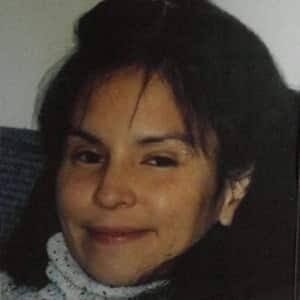
Seven-year-old Evangeline Azarcon was the second oldest of five children in her family, who lived in a duplex in the South Cambie area of Vancouver, British Columbia. A Grade 2 student at Edith Cavell Elementary School, she followed a familiar routine with her friends. Most days, she and her next-door neighbor, Caroline Cruz, would walk to school together and often stay afterward to help their teacher prepare the classroom for the next day.
On the afternoon of Thursday, November 20, 1969, Caroline was not available to stay after school, so Evangeline helped the teacher with another friend, Stephanie Yada. The two girls walked home together, parting ways around 3:15 p.m. near a park at Heather Street and 19th Avenue. Evangeline was just a short distance from her home on West 19th Avenue, but she never arrived. When she hadn't returned by 3:30 p.m., her mother, Corazon, grew worried. Evangeline was a dutiful child who always asked permission before going to a friend's house. By 4:00 p.m., Corazon was calling Evangeline's friends, but no one had seen her. She then called her husband, Alejandro, who rushed home from work to begin a frantic search of the neighborhood, fearing his daughter had been in an accident or simply lost her way. As darkness fell with no sign of the little girl, the Azarcons called the police.
Evangeline’s disappearance launched what was, at the time, the largest search for a missing child in the history of British Columbia. Answering the police request to check every yard, garage, and basement, more than 5,000 volunteers initially joined the effort. The search expanded across the region, from Chilliwack in the east to the U.S. border in the south. By the time the official search was called off on December 12, an estimated 50,000 people had scoured mountains, beaches, riverbanks, and back streets, all hoping to find the missing girl. Mounted police even searched the dense brush of Stanley Park.
The search came to a tragic end exactly two months after she vanished. On the morning of January 20, 1970, a farmer in Port Kells, a neighborhood of Surrey, was walking on an abandoned mill site next to his property. He discovered a red child's lunch box with Evangeline's name written inside and immediately contacted police. A subsequent search of the area uncovered Evangeline's body lying face down in a drainage trench flooded with about two feet of water. She was still wearing the same clothes she had on the day she disappeared.
An autopsy revealed that Evangeline had been sexually assaulted and had died on the day of her abduction, between four and ten hours after eating the lunch her mother had packed. The cause of death was determined to be either drowning or asphyxiation from choking on her own stomach contents. The Vancouver Police Department handled the initial investigation into her abduction and murder.
In the years that followed, Evangeline's case grew cold. Investigators in 1972 considered a possible link to the abduction and murder of another seven-year-old Vancouver girl, Tanya Busch. A suspect, Charles David Garry Head, was convicted of Tanya's murder. Her body was found about six kilometers from where Evangeline's was recovered, and both dump sites were accessible from the same highway exit. However, due to the poor state of prison records in 1969, police could never confirm whether Head was incarcerated or out on a pass at the time of Evangeline’s murder. His connection to her case was never established.
For decades, the homicide remained unsolved. As of October 2024, Evangeline Azarcon's murder is one of 56 cold case files being transferred from the Surrey RCMP to the newly formed Surrey Police Service. The hope is that a fresh set of eyes may finally bring answers and justice for the little girl whose disappearance mobilized a province. Anyone with information about the abduction and murder of Evangeline Azarcon is asked to contact the Vancouver Police at 604-717-3321 or Crime Stoppers at 1-800-222-8477.