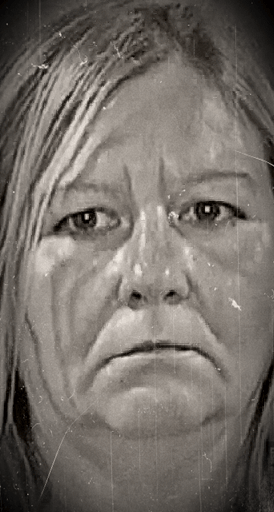
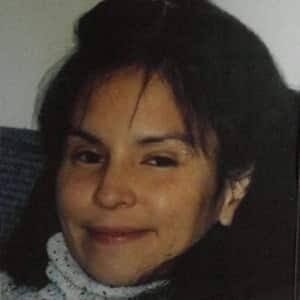
On an uncharacteristically sweltering day in Surrey, British Columbia, school-aged children pressed against a fence, trying to catch a glimpse of the grim proceedings. It was June 24, 1992, and inside a small, run-down bungalow at 7561-144th Street, a brutal double murder had taken place. The victims were Donna Marie Sywak, a 39-year-old female, and her common-law husband, Gordon Clifford Charles Sinclair, 56. Both had been shot to death in the early morning hours.
Neighbors in the Newton area later told reporters they had heard what sounded like gunshots in the darkness. One resident recalled hearing a volley of five shots, a distinct pause, and then four or five more. Unsure of the sound, and with no other immediate signs of distress, no one called the police. It wasn’t until 6 a.m. that an anonymous tip alerted the Surrey RCMP to the violence that had occurred. When officers arrived at the house, which was set back amid tall weeds and a random assortment of parked cars, they discovered a chilling scene. Through a slightly ajar front door, the leg of one of the victims was visible.
Investigators from the forensic identification unit, dressed in white suits to protect the scene, spent the day moving in and out of the small home as the temperature climbed. Police quickly determined the killings were not random. Both Donna and Gordon were known to law enforcement, and police had been called to the residence on several occasions prior to the murders. The homicides marked the fourth and fifth in a ten-block radius in recent months, unsettling the community.
The investigation into the double homicide was extensive. Detectives learned that just a week before his death, on June 17, Gordon Sinclair had been convicted on two counterfeiting charges and was scheduled for sentencing the following month. The Royal Canadian Mounted Police (RCMP) acknowledged this connection, and investigators explored the possibility that the murders were linked to Sinclair's criminal activities. In a 2015 interview, Sergeant Mike Hall of Surrey's Unsolved Homicide Unit stated, "Investigators are aware of Sinclair’s conviction... and have looked at the possibility that the counterfeiting offences and the murder are related." However, he stressed that until a motive was confirmed, all possibilities remained open.
Police also managed to track down and interview the person who made the anonymous 6 a.m. tip, but this lead did not result in any arrests. Despite their belief that the murders were a targeted attack, investigators could not publicly identify any suspects. A neighbor described the couple as quiet people who "really kept to themselves," even though a steady stream of cars, sometimes up to 20 a day, came and went from the property. For years, the case grew colder, leaving more questions than answers.
Decades have passed since Donna Sywak and Gordon Sinclair were killed. The small bungalow on 144th Street was demolished long ago, replaced by modern row houses, leaving no physical trace of the violence that once occurred there. The case remains one of dozens of unsolved homicides in Surrey, a painful mystery for anyone who knew the victims.
As of October 2024, the investigation is still officially open. In a significant jurisdictional shift, the double homicide file was among 56 cold cases scheduled to be transferred from the Surrey RCMP to the newly formed Surrey Police Service before the end of the year. This transition offers a potential for fresh eyes to review the evidence, but after more than three decades, the identity of the person or persons responsible for the murders remains unknown. Police continue to ask anyone with information that could help solve this crime to come forward. Anyone with information can contact the Surrey Police Service or Crime Stoppers.