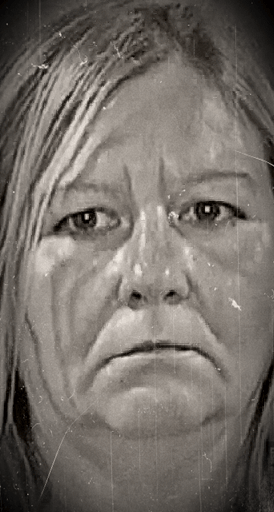
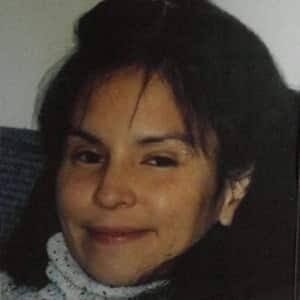
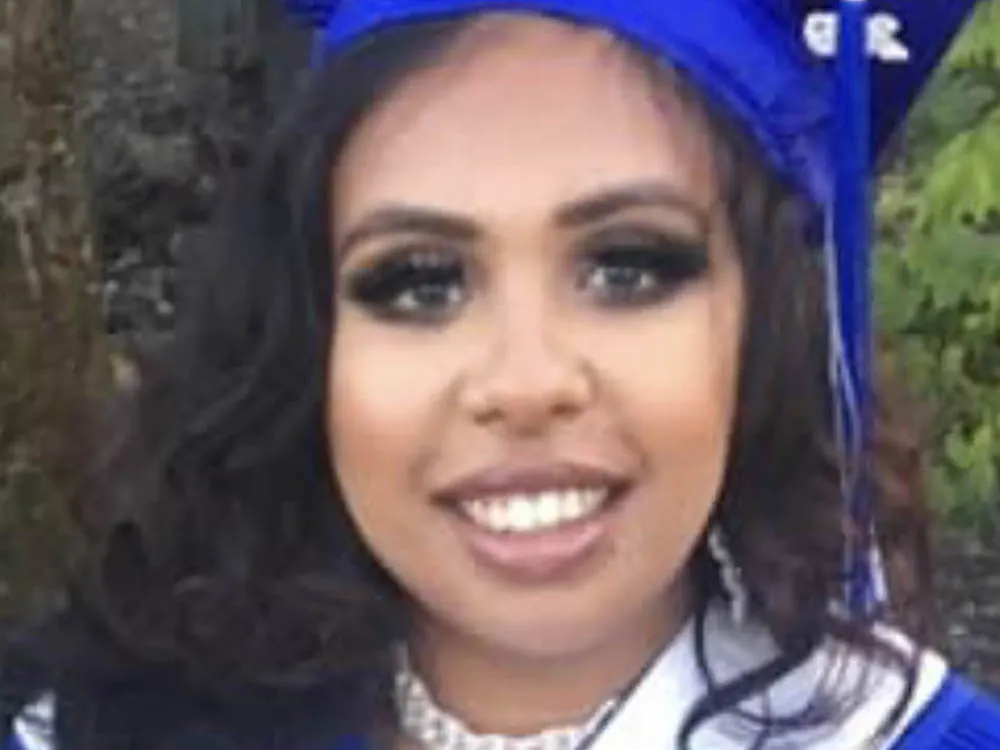
On a cold winter night, a discovery was made on a dark, quiet road that has left a family without answers for decades. In the early hours of Sunday, January 18, 1998, a passerby found Kelly Elizabeth Parsons, a 30-year-old woman, lying beside 133rd Street near 112th Avenue in the Bolivar Heights neighborhood of Surrey, British Columbia. She was unconscious and in a pool of blood, having suffered catastrophic head injuries. Rushed to a hospital, she succumbed to her injuries, turning her case into a homicide investigation.
Very little has been publicly released about Kelly’s life, leaving only a silhouette of the woman who was so violently taken. Sources from the time of her death state she worked as a prostitute in the nearby area of Whalley. Investigators determined she was last seen walking along the 13200-block of King George Highway, a major thoroughfare in Surrey, not far from where her body was ultimately found. Who she was meeting, or what transpired in the final moments of her life, remains a mystery locked in the winter darkness of that night.
The area where Kelly was found, Bolivar Heights, is a residential and industrial community situated on the northern slope of Surrey, overlooking the Fraser River. In the late 1990s, the broader Whalley area was known as a hub for street-level sex work, a reality that brought with it immense danger for the women involved. The region, like many others across Canada, was grappling with the issue of violence against sex workers, a crisis that would gain national attention in the years to follow with the horrific discoveries on the Pickton farm. These women were often vulnerable, facing societal stigma and predators who saw them as easy targets. Kelly’s murder is a stark and tragic example of the risks they faced daily.
The investigation into Kelly’s murder was initially handled by the Surrey detachment of the Royal Canadian Mounted Police (RCMP). For years, her file remained open but inactive, one of many unsolved homicides that grew cold as leads dried up and new cases demanded attention. The RCMP’s Unsolved Homicide Unit held onto the file, but without new information, progress was impossible. No suspects or persons of interest have ever been publicly named in connection with her death, and the specific details of the evidence collected from the scene have been kept confidential by investigators.
For over two decades, Kelly's case has been a statistic in a long list of unsolved murders in the rapidly growing city of Surrey. Her name has appeared in news reports that periodically list the region's cold cases, a brief but brutal summary of her final moments serving as a grim reminder of justice denied. There is no public record of memorials, vigils, or statements from any family she may have left behind, their grief remaining private and unobserved by the public eye.
As of October 2024, the investigation into the murder of Kelly Elizabeth Parsons has entered a new chapter. Her case is one of 56 unsolved homicide files set to be inherited by the newly formed Surrey Police Service as it takes over policing duties from the RCMP. This administrative transition offers a glimmer of hope that a fresh set of eyes, aided by advancements in forensic technology, might uncover a new lead. For now, Kelly’s story is one of unanswered questions, her violent death a cold case waiting for a thaw.