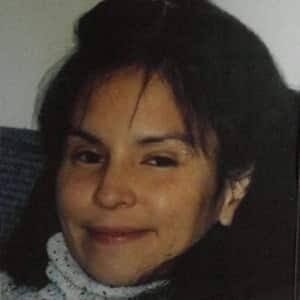
In the summer of 1996, Wendy Jean Nolan was a 40-year-old woman living in British Columbia. Born on June 26, 1956, to her parents John Randolph Nolan and Jeanette Bissinette, she was a native of the province's Westminster County. For reasons that remain a mystery to the public and unsolved by police, her life was cut short in July of that year, leaving behind a case that has grown cold over the decades, marked only by unanswered questions.
On Thursday, July 18, 1996, a grim discovery was made on the quiet outskirts of Tynehead Park in Surrey. Wendy Nolan's body was located in the 17200-block of Tynehead Drive, a road that borders the large, forested urban park known for its network of trails and the Serpentine River running through it. While she was found on that date, a genealogical record marks her date of death as five days earlier, on July 13, 1996. Authorities have never publicly released her cause of death or the specific details of the injuries she sustained, leaving the circumstances of her final moments shrouded in secrecy.
The investigation into the female victim's homicide was immediately launched by the Surrey detachment of the Royal Canadian Mounted Police (RCMP). Detectives with the Serious Crimes Section handled the initial inquiry, collecting evidence and pursuing leads in an effort to understand what happened to Wendy. In the mid-1990s, the rapidly growing city of Surrey was grappling with a range of serious crimes, and the RCMP was the primary investigative body for all homicides occurring within its jurisdiction.
As the years passed with no arrests, Wendy's case was eventually transferred to the Surrey RCMP's Unsolved Homicide Unit. This specialized team was tasked with re-examining cold cases, looking for new forensic opportunities with advancements in technology like DNA analysis, or hoping that a witness with long-held information might finally come forward. Despite any efforts made, her murder remained unsolved, joining a sad and lengthy list of other cold cases from the same era in the city. The public record contains no information about potential persons of interest, suspects, or a motive for the crime.
Decades after her death, Wendy Nolan's case remains an open and active file, a persistent but quiet reminder of a life taken without resolution. As of October 2024, her homicide was noted as one of 56 cold cases slated to be inherited by the newly formed Surrey Police Service as it takes over jurisdiction from the RCMP. This transition of responsibility represents a new, albeit uncertain, chapter for the investigation, where fresh eyes may one day review the file.
The lack of public information has left a void where a personal story should be. Details about Wendy's life—her career, her passions, her family, and the people who loved her—have remained outside the public narrative of her death. There have been no public appeals from family, no vigils reported in the news, and no memorial pages to share how she is remembered. Her case is a stark example of how some victims of violent crime can fade from public consciousness, their names appearing primarily in lists of unsolved murders published on anniversary dates or in reports on policing changes. The fundamental questions of who Wendy Nolan was, and why she was killed on the edge of a park in the summer of 1996, are still waiting for an answer.