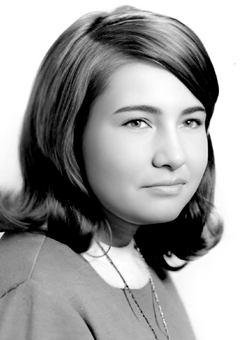
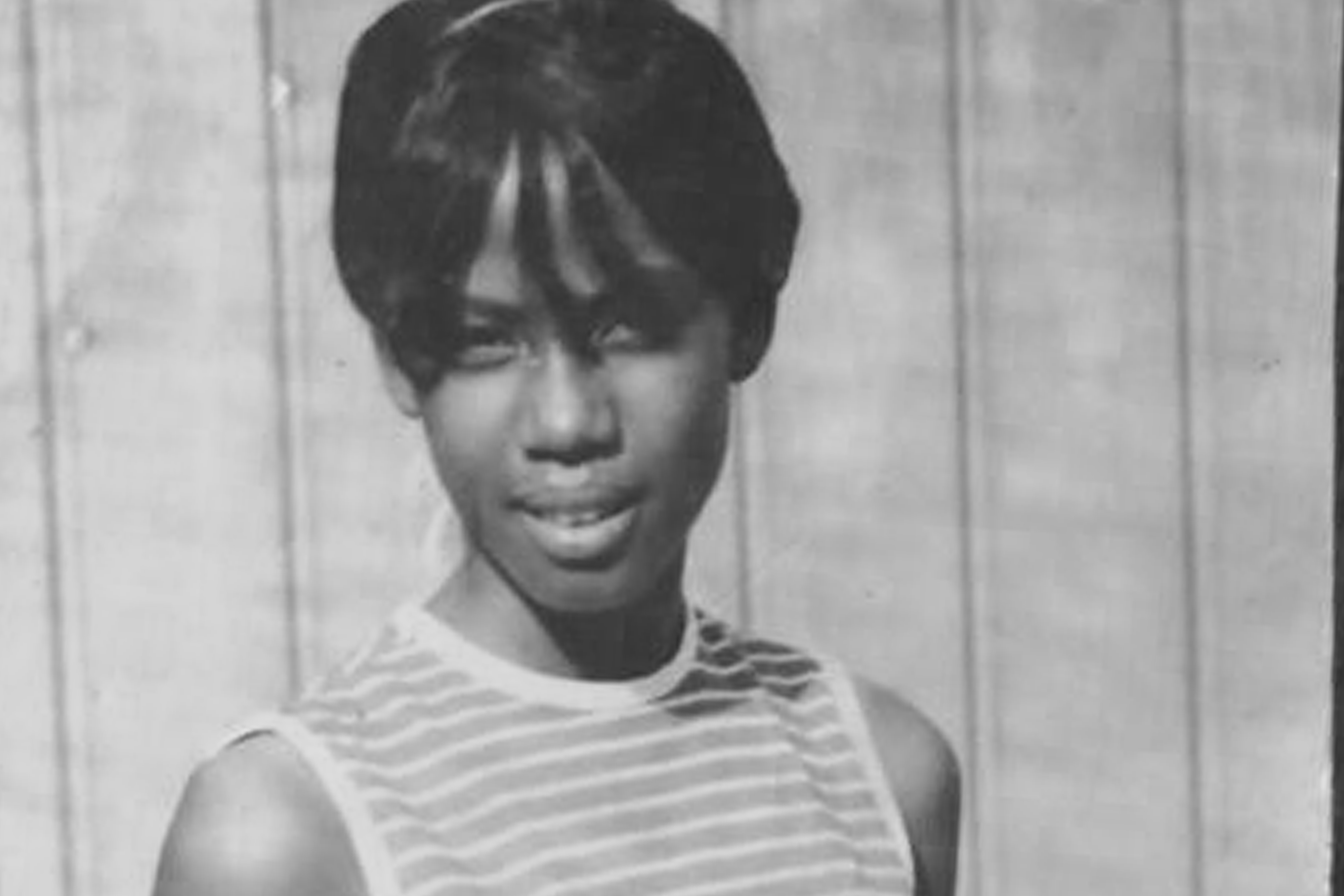
Dorothy Anderson was a 24-year-old nurse's aide building a life for herself in Hollis, Queens. At the time of her death, she was also a student, connected to the Borough of Manhattan Community College. She was a young Black woman with a future ahead of her, living at 100-49 196th Street in her Queens neighborhood. Her life was cut short in the spring of 1973, leaving a case that would remain unsolved for decades.
On Friday, April 6, 1973, Dorothy’s body was discovered in the neighboring Long Island suburb of Rockville Centre in Nassau County. She was found lying on the bank of a stream just east of South Park Avenue, with her legs in the water. She was dressed for the cool early spring weather, wearing a heavy tan suede coat that had a light-colored fur collar and fringes on the cuffs.
Underneath her coat, she wore a purple sweatshirt bearing the letters "BMCC," believed to represent the community college she attended.
The location where Dorothy was found was tragically familiar to law enforcement. Her body was discovered just a half-mile south of the area where two other young women had been found dead less than a year earlier. Mary Beth Heinz, 21, was found on May 10, 1972, and another Queens resident, 23-year-old Laverne Moye, was found on July 20, 1972. The proximity of the cases in both where the victims lived and where they were ultimately found was a disturbing link for investigators. Despite a thorough examination by the medical examiner, an official cause of death for Dorothy could not be determined at the time.
The initial investigation by the Nassau County Police Department yielded few leads, and Dorothy’s case eventually went cold. For nearly fifty years, there were no significant breaks. The mystery of her death was filed away, one of many unsolved homicides from a violent era in the New York metropolitan area. Her case, along with Laverne Moye's, was noted by some investigators as part of a potential cluster of killings of women who lived along the "Springfield-Jamaica axis corridor" in Queens and were found discarded in Nassau County.
A stunning development emerged decades later when Richard Cottingham, a convicted serial killer known as the "Torso Killer" and the "Times Square Ripper," began confessing to numerous unsolved murders from the 1960s and 1970s. Among his many admissions, Cottingham claimed responsibility for the murder of Dorothy Anderson. However, when authorities in Nassau County attempted to verify his confession, they reportedly ran into difficulties, citing incomplete case files from the early 1970s. This bureaucratic hurdle initially prevented them from officially closing the case or charging Cottingham.
Despite the initial roadblocks, the investigation into Dorothy's murder has been re-energized. As of late 2026, the Nassau County homicide investigation remains active. Richard Cottingham is the primary suspect, and the case is reportedly under review by a grand jury. While he has confessed, the formal legal process to hold him accountable for Dorothy Anderson's death has not yet been finalized, and no charges have been formally filed in her specific case. The case remains officially unsolved pending the outcome of this renewed judicial scrutiny.