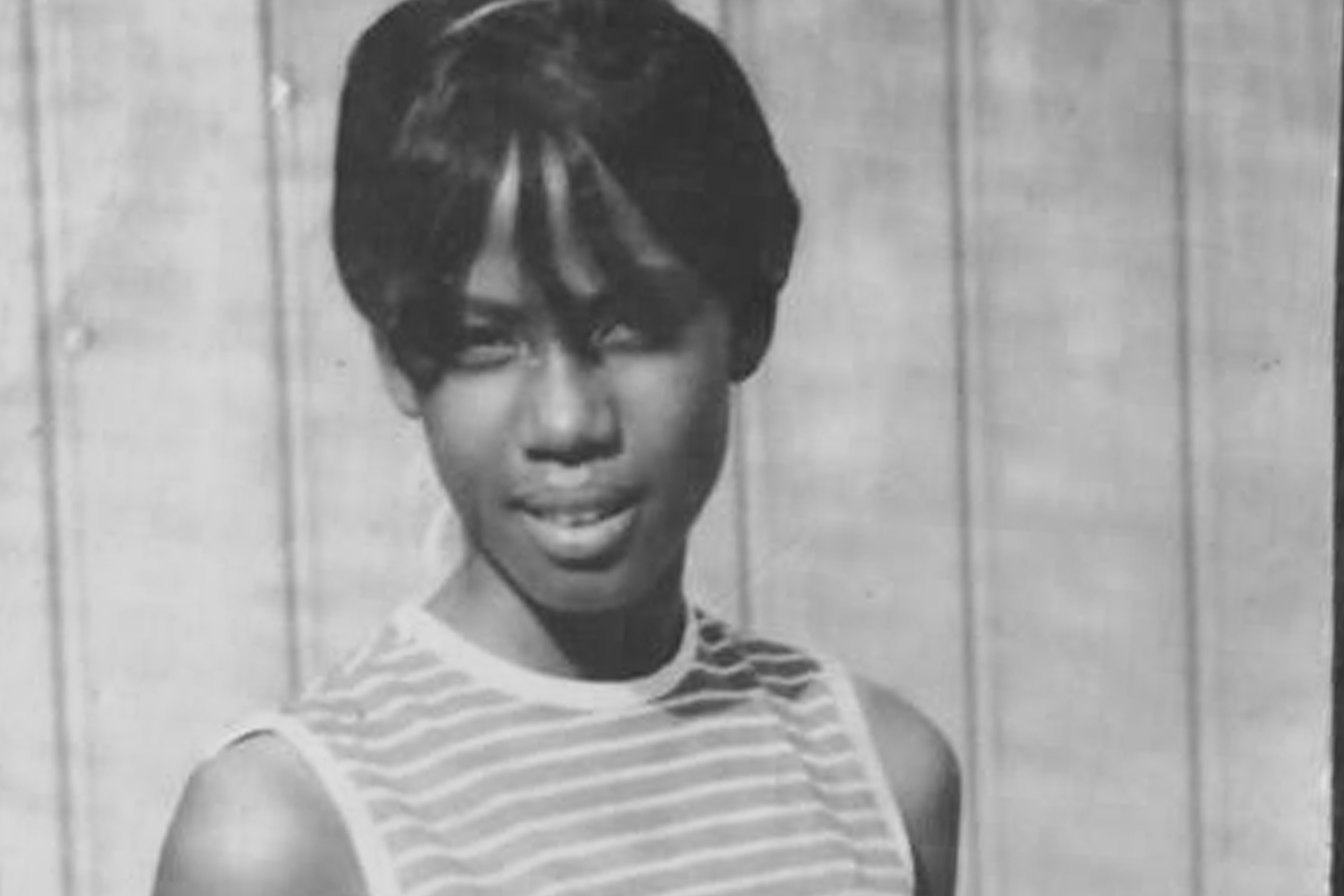
Laverne Moye, 22, a Black woman, vanished in the heat of a Long Island summer, her life abruptly pulled into the same dark current that had already claimed other young women nearby. In July 1972, her body was discovered in Rockville Centre in a wooded stretch by a creek along Maine Avenue, close to Peninsula Boulevard—an area that, even in daylight, could feel tucked away from the world that rushed past on the road above.
Investigators determined she had been strangled. The scene carried its own bleak narrative: she had been thrown from the Peninsula Boulevard bridge and left where the water and reeds might have hidden her longer if not for the chance discovery that brought police to her. Reports tied her to St. Albans, Queens, and described her as a mother of two, separated from her husband—details that made the loss feel less like an entry in a case file and more like a home suddenly missing its center.
For years, what happened to her lingered as a cold case, threaded through with rumors, fear, and the quiet frustration of unanswered questions. The location where she was found was not an isolated point on a map: it echoed an earlier Nassau County murder scene from 1972, deepening investigators’ suspicions that the same person might have been hunting in the same corridor of roads, bridges, and shadowed water.
Decades later, the case was pulled back into the light through the prosecution of Richard Cottingham, a convicted serial killer long associated with multiple murders across New York and New Jersey. In Nassau County Court on December 5, 2022, Cottingham pleaded guilty to a separate 1968 murder, and in that same proceeding he admitted in court to killing Moye—describing that he strangled her and disposed of her body by throwing it from the Rockville Centre bridge.
That admission brought a name to the suspect question that had haunted the investigation, but it did not unfold into a new trial for her death. Authorities said Cottingham would not be prosecuted for Moye’s killing because, as part of the plea deal and in light of his existing sentences, he was granted immunity regarding several additional Nassau County murders he confessed to while already facing life imprisonment. In the end, the legal record captured his confession and the method, but the closure it offered was the complicated kind—truth spoken late, justice bounded by the limits of what the courts could still do.