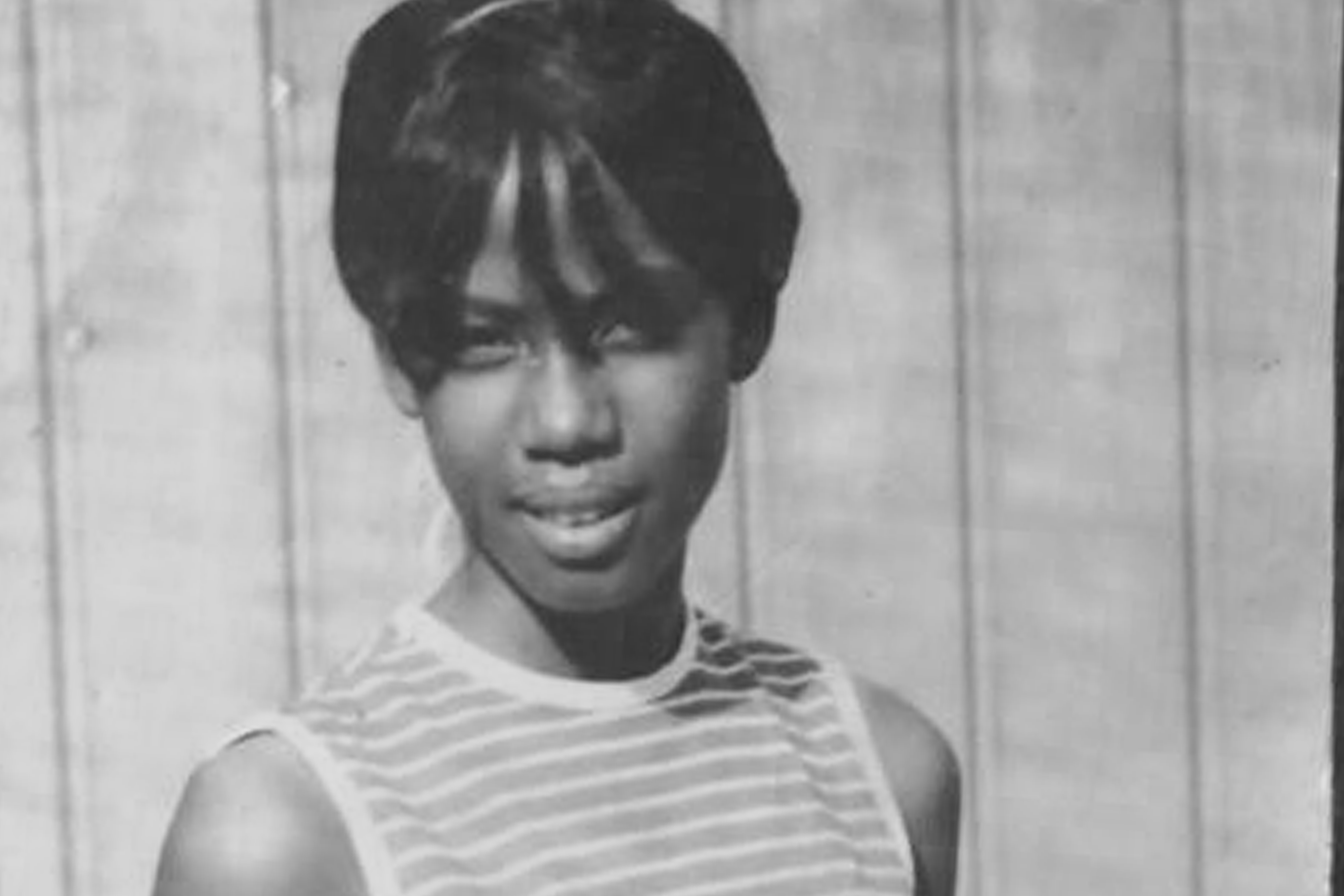
Mary Beth Heinz, 21, female, was expected home on Friday, May 5, 1972, the kind of routine return that had the comfort of habit—bus ride back to Mineola for the weekend, plans for an epilepsy dance, family waiting up with the small, familiar worry that came with seizures and the need for medication close at hand. When Heinz didn’t arrive, the night stretched thin into something ominous.
A date and the date’s mother even came to the door looking for Heinz, and the family waited, embarrassed at first, then confused, then afraid. Calls to police brought little urgency—Heinz was an adult—so the family sat with the awful quiet of not knowing, counting hours that wouldn’t come back.
Five days later, on the morning of May 10, 1972, the waiting ended in a wooded strip off Maine Avenue in Rockville Centre, just west of Peninsula Boulevard, where a muddy stream ran through a place easy to pass without noticing. Heinz was found floating face down in that water, without shoes, the body marked by bruises and abrasions along the face and neck. The medical examiner concluded death came by asphyxia due to strangulation, the violence close and personal, leaving the kind of injuries that suggested a struggle and a frantic, painful end somewhere before the stream carried the remains into view.
In the first shock, the details only deepened the questions. Heinz had been working as a mother’s helper—essentially a live-in nanny—at a home in Bellmore, and traveling by bus on weekends. Reports circulated that Heinz was discovered dressed but missing shoes and a pocketbook, a haunting detail for a person who relied on daily medication and would be unlikely to travel without it. For the family, those missing items weren’t just lost property; they were a clue that something had been interrupted mid-step, mid-plan, mid-life.
The scene in Rockville Centre didn’t stay solitary for long. Another body would later be found in the same area, and even in the early years, investigators reportedly considered whether the deaths were connected—an intuition that would echo through decades of uncertainty. For Heinz’s sister Jeanne, the case hardened into a lifelong absence: conversations cut short, records difficult to access, and the sense that somewhere in the gaps between official silence and family memory, the truth had been left to rot like leaves in the creek bed.
A name finally emerged not from a sudden eyewitness or a recovered weapon, but from the slow grind of cold-case work and the collapse of time around a man already infamous. In December 2022, convicted serial killer Richard Cottingham—known publicly as the “Torso Killer” and “Times Square Killer”—pleaded guilty in Nassau County to the 1968 murder of Diane Cusick, and in open court admitted to additional Nassau County killings, including Heinz’s strangulation. Prosecutors stated Cottingham admitted to strangling Heinz and throwing the body over a Rockville Centre bridge, explaining why the stream had become a dumping ground rather than a crime scene with a clean beginning. The Nassau County District Attorney’s Office said it agreed not to prosecute Cottingham for the additional admitted killings because Cottingham would remain incarcerated for life due to existing murder convictions and sentences, meaning the “arrest” that mattered for Heinz’s story arrived as a confession and an allocution—accountability spoken aloud—rather than a separate trial focused solely on Heinz.