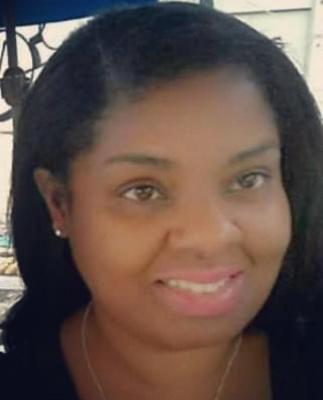
In the predawn hours of March 30, 1999, a severely injured woman stumbled to the door of a farmhouse in the small, rural town of Seville, Georgia. Bleeding from her head, she asked for a blanket, some water, and a place to rest. The residents immediately called for help. The woman was Tracey Thompson, a 33-year-old transgender woman who was also known by her birth name, Billy Joe Turner. About 10 hours after she reached the farmhouse door, Tracey died from her injuries at a local hospital, becoming the victim of a brutal and unsolved homicide.
Tracey lived a transient life, often hitchhiking along Georgia's interstates and spending time at truck stops. She was originally from Dalton in North Georgia but had also lived in Miami and Fort Myers, Florida. Friends and relatives told investigators it was not unusual for her to travel to visit them in Florida, sometimes staying for months at a time.
Though she had a criminal record for non-violent offenses like criminal trespass and theft, those who knew her were left shattered by the violence that ended her life. The motive for her murder remains unknown, but due to her identity as a transgender woman, authorities have long considered it a possible hate crime.
The investigation began immediately, led by the Wilcox County Sheriff's Office and the Georgia Bureau of Investigation (GBI). About a half-mile from the farmhouse where Tracey sought help, investigators discovered a grim scene on a quiet dirt road. They found blood and the shattered pieces of a wooden baseball bat, believed to be the murder weapon. In her final hours, Tracey managed to speak with authorities, naming an ex-boyfriend as the person who had repeatedly struck her with the bat. However, investigators tracked down the man she named and confirmed through his alibi that he was out of town when the attack occurred, ruling him out as a suspect.
Over the years, the investigation has faced numerous challenges. The transient nature of Tracey's life made it difficult to establish a clear timeline of her last days or determine why she was in such a remote area, roughly 75 miles south of Macon. Investigators have interviewed numerous people and re-evaluated evidence with new technology. In 2009, physical evidence from the crime scene was re-examined for DNA, but the new technology did not lead to a viable suspect. GBI Agent Lee Weathersby noted that all original witnesses had been re-interviewed and other potential persons of interest had been identified and questioned, but no arrests were ever made.
The case attracted national attention at the time, highlighting the dangers and violence faced by transgender individuals. It was one of several homicides of transgender people in the late 1990s that prompted activists to call for greater awareness and action. Former Wilcox County Sheriff Mike Martin later recalled that murders were rare in the area and were typically solved quickly. Tracey's case, however, has remained a frustrating and persistent mystery for law enforcement.
As of November 2017, the Atlanta Journal-Constitution reported that Tracey Thompson's murder was still an active cold case. Investigators continue to hope for a break that will finally lead them to her killer. The Georgia Bureau of Investigation has asked that anyone with information about the case contact their office in Perry at 478-987-4545. For more than two decades, the question of who committed this brutal act of violence on a lonely dirt road has gone unanswered, leaving a community and a family waiting for justice.